
Mumbai, 8 October 2026
Indian cinema has lost one of its most distinctive and uncompromising artists. Veteran actor, filmmaker and theatre personality Nana Patekar passed away on Thursday at the age of 75 following a cardiac arrest at his residence in Goa. His death brings to an end a remarkable artistic journey spanning nearly five decades.
Nana Patekar, born Vishwanath Patekar, emerged from Marathi theatre and went on to become one of the most powerful and recognisable presences in Hindi and Marathi cinema. Beginning his film journey in the late 1970s, he established a reputation for performances marked by extraordinary intensity, emotional depth, realism and individuality.
His memorable work in films including Parinda, Krantiveer, Prahaar, Khamoshi, Salaam Bombay! and Natsamrat demonstrated his extraordinary range. He could portray anger, vulnerability, authority, humour and human suffering with equal conviction. His unmistakable voice and powerful dialogue delivery became part of the cultural memory of Indian cinema.
His contribution was recognised with three National Film Awards and the Padma Shri, among numerous other honours.
Statement from K. M. Anthru Foundation
K. M. Anthru Foundation expresses its profound grief at the passing of Nana Patekar, an extraordinary artist whose life represented the power of art to speak truth to society.
Nana Patekar was not merely an actor who performed characters. He was an artist who gave voice to the struggles, anger, dignity and contradictions of ordinary human beings. His performances carried an uncommon honesty, intensity and social consciousness.
For the K. M. Anthru Foundation, his legacy is particularly meaningful because he demonstrated that literature, theatre, cinema and art are not merely forms of entertainment; they are instruments of social reflection and human transformation.
His fearless individuality, his commitment to realism and his concern for people beyond the world of cinema made him much more than a celebrated performer. He represented an artistic conscience that refused to remain silent.
The Foundation pays its deepest respects to Nana Patekar — the artist, the thinker, the theatre personality and the human being.
His voice has fallen silent, but the questions he raised, the characters he created and the emotions he awakened will continue to live in the collective memory of generations.
K. M. Anthru Foundation joins millions of admirers across India in mourning this irreparable loss and extends its heartfelt condolences to his family, friends, fellow artists and admirers.
— K. M. Anthru Foundation
A Legacy Beyond Cinema
Nana Patekar’s influence extended beyond acting. He was known for his forthright views and his engagement with social issues. His association with rural and humanitarian initiatives further reflected his concern for people and society.
His death has prompted tributes across India. Prime Minister Narendra Modi described him as an actor with rare intensity, individuality and an unmistakable presence, while recognising his immense contribution to Hindi and Marathi cinema.
For Maharashtra and for Indian cinema, his departure represents more than the loss of a celebrated actor. It is the loss of a voice that was difficult to imitate, an artistic temperament that resisted conformity, and a performer who brought an uncommon honesty to his craft.
Nana Patekar did not merely play characters.
He inhabited them.
His voice may now have fallen silent, but his characters, his questions and the intensity with which he lived his art will continue to speak to generations.
The stage has lost a formidable performer.
Cinema has lost an unforgettable presence.
India has lost a rare and uncompromising artist.
Nana Patekar will remain.
ബിജു പവിത്രൻ
രമ്യ തുറവൂരിന്റെ പതിയാത്ത കാൽപ്പാടുകൾ എന്ന ആത്മകഥയ്ക്ക് ഒരു ആസ്വാദനക്കുറിപ്പ്….
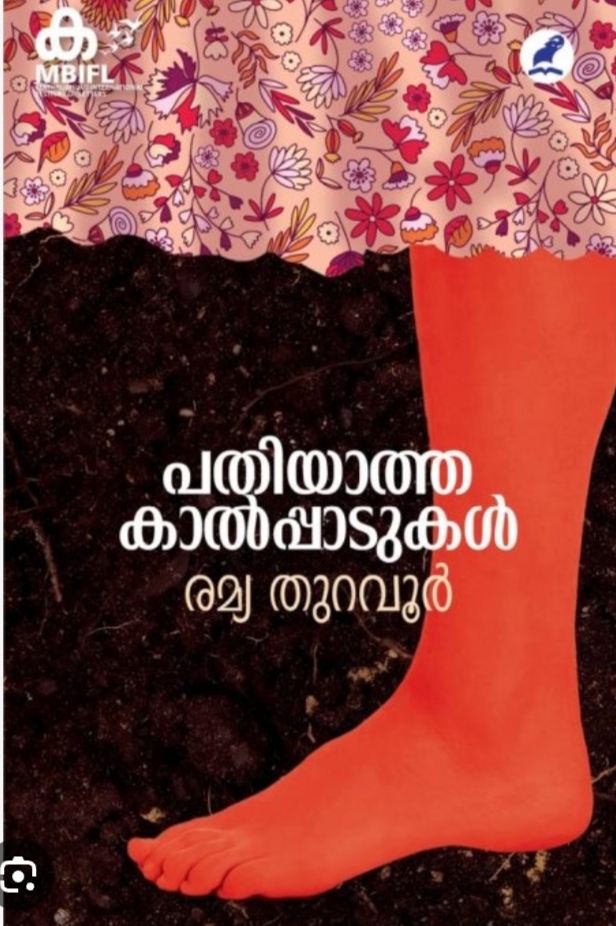
ഒരു ദിവ്യാംഗ പൂർണ്ണാoഗരായ ആയിരങ്ങളെ ജീവിത പോരാട്ടത്തിന് സജ്ജരാക്കാൻ പ്രേരിപ്പിക്കുന്ന ഔഷധ ഗുണമുള്ള വാക്കുകൾ നിറച്ച പുസ്തകമാണ് പതിയാത്ത കാൽപ്പാടുകൾ. ഇതാണ് ഇന്നിന്റെ ഏറ്റവും വലിയ രാഷ്ട്രീയo.. ഈ പുസ്തകം വായിച്ചു തുടങ്ങുന്നതിന് മുൻപ് ലോകത്തെ ഏറ്റവും വലിയ വേദനയും ദുഃഖവും അനുഭവിക്കുന്ന വ്യക്തി ഞാനാണ് എന്നായിരുന്നു എന്റെ ധാരണ.ആ തെറ്റിദ്ധാരണ മാറി കിട്ടി.അല്ല രമ്യ അത് മാറ്റി തന്നു.
കാലം മായ്ച്ചിട്ടും മായാതെ കിടക്കുന്ന ഒരുപാട് നൊമ്പര കഥകളാൽ മാല കോർത്ത, ഇതര ജീവിതങ്ങളുടെ കഥകൾ കൂടിയാണ് ഈ പുസ്തകം.. ഇത് വായിച്ച് തീരുമ്പോൾ കരളിൽ എവിടെയോ കദനത്തിന്റെ ഒരുപാട് കാൽപ്പാടുകൾ പതിഞ്ഞു കിടപ്പുണ്ട്… രമ്യ നടന്നുപോയ ഭാരമുള്ള മരക്കാലുകൾ ഇപ്പോഴും ഒരു ഹൃദയ വേദനയായി അവശേഷിക്കുന്നു. പച്ചയായി പകർത്തിയ പകൽവെളിച്ചം പോലുള്ള സത്യങ്ങൾക്ക് നൂറ് മാർക്ക്. കുട്ടിക്കാലത്തെ നിഷ്കളങ്കത, കൗമാരകാല ആകുലതകൾ, വിവാഹ ജീവിതത്തിന്റെ തിക്താനുഭവങ്ങൾ, ഒറ്റപ്പെടലിന്റെ അസഹനീയത,ഇടoകാൽ ശൂന്യതയുടെ നികത്താനാവാത്ത വാസ്തവികത.. കൃത്രിമമല്ലാത്ത പദപ്രയോഗങ്ങളിലൂടെ ലളിതമായ ഒരു നോവലിന്റെ നൈര്മല്യ ത്തിലൂടെ വായന ശീലത്തെ പരിപോഷി പ്പിക്കുന്ന തരത്തിലുള്ള അവതരണം.
പച്ചയ്ക്ക് ചുട്ടെടുത്ത പോലെ ജീവിതം അങ്ങനെ പൊട്ടിമലരുമ്പോൾ വേദനകൾ ഏറ്റെടുക്കാൻ ഒരു ദൈവവും വന്നില്ല… നെഞ്ചിനും കണ്ണിനും താങ്ങാൻ ആവുന്നതിലേറെ സങ്കടങ്ങൾ വഹിക്കുന്നവർക്ക് അതിനെ മറികടക്കാനുള്ള മാന്ത്രിക വിദ്യ സ്വന്തം അനുഭവങ്ങളുടെ കടലാഴങ്ങളിൽ നിന്നും ഉൾക്കൊണ്ട പാഠങ്ങളിലൂടെ നമ്മോട് പറഞ്ഞുതരുന്ന കഥാകാരി. അവഗണനയുടെ ചാട്ടവാറടിയേറ്റ് പുളഞ്ഞു കരഞ്ഞ നാളുകളെ മറക്കാനും മറികടക്കാനും സഹായിച്ച സൗഹൃദം എന്ന സ്വർഗ്ഗ വാതിലിൽ കൈപിടിച്ചവർ, മനുഷ്യ ബന്ധങ്ങളുടെ മാസ്മരികതയുടെ തെളിവാകുന്നു. മനുഷ്യ സ്നേഹത്തിന്റെ നന്മകളെ പേരറിയാത്ത ദൈവമായി കണ്ട് ദൈവ സങ്കല്പത്തിന് പുതിയ മാനങ്ങൾ കണ്ടെത്തുന്നു. വലിയ വലിയ സന്തോഷങ്ങൾക്കായി നമ്മൾ കാത്തിരിക്കേണ്ടതില്ല എന്ന് പുസ്തകത്തിൽ സൂചന നൽകുന്നുണ്ട് സ്വന്തം മനസ്സിനെ ആഹ്ലാദിപ്പിക്കുന്ന എന്തിനെയും ഉള്ളറിഞ്ഞ് ആഘോഷിക്കാം. ഒറ്റക്കാലിൽ കൊലുസ്സണിഞ്ഞ് ഒരു രാത്രി മുഴുവൻ മതിമറന്ന് ആഘോഷിക്കുന്നതിന്റെ ചിത്രം മനസ്സിൽ നിന്നും മായുന്നില്ല. സത്യസന്ധമായി തുറന്നെഴുതിനുള്ള പെൺ ധൈര്യമാണ് ഏറ്റവും കൂടുതൽ ആകർഷിച്ചത്. മറ്റുള്ളവരുടെ കഥ പറയുന്നതുപോലെയല്ല, സ്വന്തം കഥ പറയുന്നത്. പലതും മറച്ചുവയ്ക്കാം മാറ്റിപ്പറയാം എന്നാൽ അരുതായ്മകളുടെ അതിർവരമ്പുകൾ ഭേദിച്ചു പോകുന്ന പല സന്ദർഭങ്ങളും ഈ പുസ്തകത്തിലുണ്ട്. സ്ത്രീകളെ കേവലം ഉപഭോഗ വസ്തുവായി മാത്രം കാണുന്ന സമൂഹത്തെ തുറന്നു കാണിക്കുന്ന വർത്തമാനകാല നേർ ചിത്രങ്ങൾ ഇതിലുണ്ട്. മരണത്തിൽ നിന്നും ജീവിതത്തിലേക്ക് അവഗണനയോടെ എടുത്തറിയപ്പെട്ട അനാവശ്യ ജന്മത്തിന്റെ നൊമ്പരം നമ്മുടെ ഹൃദയ കോണുകളിൽ കുഴിച്ചിട്ട കാവ്യാത്മക രചനയിൽ, ജീവിതം നെടുകെ പിളർന്നു പോയവളോടുള്ള ഐക്യദാർഢ്യം ഞാൻ ഇവിടെ കുറിക്കുന്നു. വേദനയുടെ അവിശ്വസനീയ യാഥാർത്ഥ്യങ്ങൾ തന്മയത്വത്തോടെ അവതരിപ്പിക്കുമ്പോൾ ഇല്ലാക്കാലിന്റെ വേദന വരികളിലും വാക്കുകളിലും മാത്രം ഒതുങ്ങി നിൽക്കുന്നില്ല. മരണമോ ജീവിതമോ എന്ന തെരഞ്ഞെടുപ്പിൽ പലപ്പോഴും "മരണം" എന്ന ഉത്തരം. അതിനെ മറികടക്കാനുള്ള ജീവിതം എന്ന മനോഹരമായ പ്രേരണ ; ആഹാ….. എത്ര മഹത്തരമായ നിശ്ചയദാർഢ്യം. അതിന് പ്രേരണയാകുന്നവരുടെ സുന്ദരമായ സ്നേഹ സ്പർശം. വീർത്തു പൊട്ടുന്ന സ്വർണ്ണ കുമിളകൾ പോലെ ആ രാത്രി ഞാൻ പാറിപ്പ റന്നുനടന്നു എന്ന ആദ്യ ലൈംഗിക ബന്ധത്തെ ഇത്ര മനോഹരമായി തുറന്നെഴുതിയ ആത്മവിശ്വാസത്തെ പൂർണമായും പിന്തുണയ്ക്കുന്നു. എഴുത്തിന്റെയും വായനയുടെയും സൂക്കേട് ഉള്ളവരെ മാത്രം പിടിപെടുന്ന ഒരു ബാധയുണ്ട്. അനുഭവത്തിലൂടെ മാത്രം അറിയാവുന്ന "നൊസ്സ് "എന്ന ഉന്മാദാവസ്ഥ. എഴുത്തുകാരി പലവട്ടം ഈ അവസ്ഥയിലൂടെ കടന്നു പോകുന്നതായി വിവരിക്കുന്നുണ്ട്. വായനയിലൂടെ കടന്നുപോകുമ്പോൾ ഉള്ളു പൊള്ളിച്ച ജീവിക്കുന്ന കഥാപാത്രങ്ങൾ…കുട്ടിയമ്മ,, മനു…ഹരി സാർ …ഡെൽന… അങ്ങനെ ഒരുപാട് പേർ നമ്മുടെ ഉള്ളിലൂടെ നിരന്തരം നടന്നു നടന്നു പോകുന്നതായി ഓരോരുത്തർക്കും അനുഭവപ്പെടും .തീർച്ച.
ചുറ്റുമുള്ള അവരെല്ലാവരും നിന്നെ മാത്രം വിശ്വസിച്ച് ജീവിതം ചിട്ടപ്പെടുത്തുമ്പോൾ ഞാനിപ്പോഴും നിന്നെയോർത്ത് ആശയക്കുഴപ്പത്തിലാണ്. ദൈവമേ… നീ ഉണ്ടോ ഇല്ലയോ എന്നത് അജ്ഞാതമാണ്.
അഥവാ ഉണ്ടെങ്കിൽ ഒരിക്കൽ പോലും മുന്നിൽ വരാതിരിക്കുക.
വന്നാൽ ചോദ്യങ്ങൾക്ക് ഉത്തരം നൽകാനാവാതെ നീ കുഴയും, നിന്റെ നീതിക്ക് മനുഷ്യവംശവുമായി ഒരു ബന്ധവുമില്ല എന്ന് തെളിയും. എന്ന് ദൈവത്തോട് പറയുന്നിടത്ത് ആ സങ്കൽപ്പത്തോട് ആഴത്തിലുള്ള അവിശ്വസനീയത രേഖപ്പെടുത്തി വയ്ക്കുന്നു.. തീഷ്ണാനുഭവങ്ങളുടെ തീപ്പൊരികൾ നമ്മുടെ തലച്ചോറിലേക്ക് വാരി വിതറുമ്പോൾ ചിന്താമണ്ഡലത്തിൽ അതിന്റെ അല യൊലികൾ കാലങ്ങളോളം പുകഞ്ഞു കൊണ്ടിരിക്കും. പ്രണയവും സ്നേഹവും മറ്റു ലഹരികൾക്ക് വഴിമാറുമ്പോഴും…"ഞാൻ നിന്നെ തേടി വരും" എന്ന പ്രത്യാശയും ആത്മവിശ്വാസവും നിറഞ്ഞ ശുഭപ്രതീക്ഷാ വാചകത്തോടെയാണ് പുസ്തകം അവസാനിക്കുന്നത്.Thiruvananthapuram | 1 October 2026: A poem by Kerala-based poet and writer Shajil Anthru, The Perfect Wound, has found another international literary platform with its presentation as a video poem on the Italian literary blog L’Age d’Or – Bardamu.
The Italian feature, titled “Una videopoesia di Shajil Anthru” (“A video poem by Shajil Anthru”), presents a contemporary poem rooted in Kerala’s cultural imagination to an Italian literary audience.
The significance of the publication lies not merely in the geographical distance between Kerala and Italy, but in the fact that a poem emerging from Kerala’s mythology and cultural memory has entered an Italian literary space while retaining its distinctive identity.
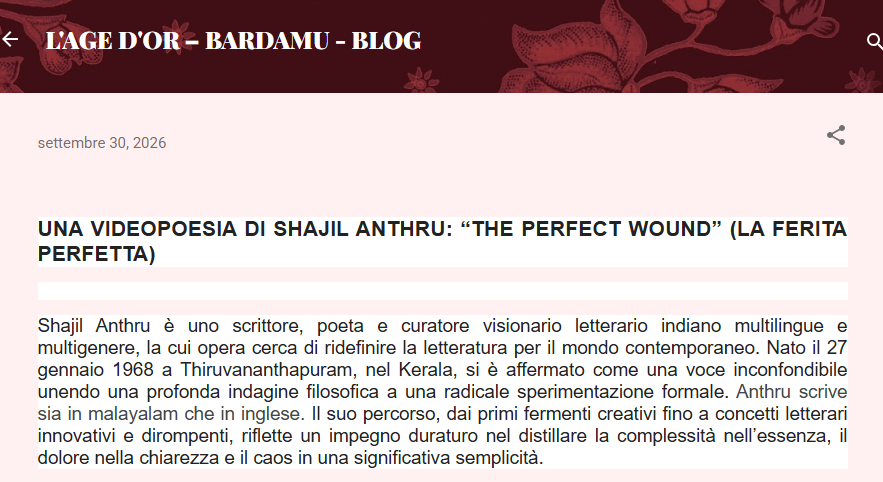
Read the Italian feature:
L’Age d’Or – Bardamu: “Una videopoesia di Shajil Anthru”
L’Age d’Or – Bardamu: An Italian literary and cultural space
L’Age d’Or is an Italian online magazine and cultural-literary platform covering cinema, literature, poetry, theatre, art and contemporary culture. Its published masthead identifies Marco Palladini as Direttore Responsabile (Director) and Désirée Massaroni as Direttore Editoriale (Editorial Director).
Marco Palladini is himself a writer, poet, playwright and cultural commentator whose writings appear extensively through L’Age d’Or. His contributions to the platform include poetry, literary reflections, theatre and cultural criticism.
The literary character of the publication is evident from its range of material, which includes poetry, literature, contemporary art, theatre, cinema, critical essays and cultural commentary. Its archive includes writings by Palladini as well as contributions by numerous other Italian writers and cultural figures.
It is within this Italian literary and cultural environment that The Perfect Wound has appeared.
For a poem originating in Kerala, this represents an interesting instance of literary circulation across cultures.
From Mahabali to an international readership
The Perfect Wound takes one of Kerala’s most enduring cultural figures—Mahabali—and places him in an unusual poetic landscape.
The poem is constructed around Mahabali’s return from the Netherworld during Onam. Instead of presenting Onam only through its familiar associations with celebration, prosperity and the return of a benevolent king, the poem opens a more contemplative space involving memory, justice, exile, return and unresolved loss.
Mahabali addresses an unnamed “you”. The identity of this addressee remains open, allowing the poem to move beyond a straightforward retelling of mythology.
At the centre of the poem stands its defining image: the “perfect wound.”
The wound is not merely an image of suffering. It becomes a larger philosophical question: can remembrance, ritual and celebration compensate for an unresolved wound created by exile, separation and loss?
A critical study of the poem, Mythic Descent and the Ethics of Remembrance: A Critical Reading of “The Perfect Wound”, published in September 2026, examines the poem’s treatment of Onam, Mahabali, descent, memory and justice. The study also reads the three-fold descent in relation to the three steps of Vamana.
When a Kerala myth becomes a universal question
One of the most interesting aspects of The Perfect Wound is that it does not attempt to become “international” by abandoning its Kerala identity.
It does almost the opposite.
It begins with a specifically Kerala cultural memory and raises questions that can be understood far beyond Kerala:
What does it mean to remember?
What does return mean after exile?
Can celebration erase historical pain?
Can time heal the wound of separation?
What remains when memory becomes ritual?
These questions allow the poem to move from the local towards the universal.
The cultural vocabulary belongs to Kerala, but the emotional and philosophical questions belong to human experience.
Mahabali remains Mahabali. Onam remains Onam. Kerala remains present.
Yet exile, remembrance, waiting, loss and return are experiences that do not belong exclusively to any one culture.
This is one of the ways literature travels across borders. A poem does not necessarily become universal by removing its cultural particularity. Sometimes it becomes universal precisely because it speaks from the distinctive experience of a particular place.
From the printed page to visual poetry
The Perfect Wound has also developed beyond the printed page.
Litterateur TV released a visualised reading of the poem under the title Shajil Anthru’s Poetry – The Perfect Wound Visualization. The video presents the poem through a visual interpretation of Mahabali’s voice, descent, memory and unanswered questions.
Watch the visualised poem
Watch “The Perfect Wound” on YouTube
The poem has consequently existed in several forms—as an English literary poem, as visual poetry and as the subject of critical interpretation.
The Italian presentation adds another dimension: international digital literary circulation.
A poem written in India, rooted in Kerala mythology, transformed into visual poetry and subsequently presented through an Italian literary platform demonstrates how contemporary digital culture can create connections between writers and readers separated by geography, language and cultural history.
A poem that invites critical reading
The international appearance of The Perfect Wound comes at a time when the poem has also begun to attract critical attention.
The September 2026 issue of the International Research Journal of Modernization in Engineering Technology and Science (IRJMETS) carries the study “Mythic Descent and the Ethics of Remembrance: A Critical Reading of ‘The Perfect Wound’.”
The study examines the poem’s treatment of Onam, Mahabali, descent, memory and justice, placing the work within a wider literary and comparative framework.
Thus, The Perfect Wound is beginning to occupy several literary spaces simultaneously: poetry, visual expression, critical interpretation and international digital publication.
Why this matters for Kerala literature
For Kerala’s literary community, the Italian appearance is a reminder that international literary circulation is no longer dependent exclusively on conventional publishing houses and printed journals.
Digital literary platforms, independent cultural blogs, online magazines, video poetry and international literary networks have created new pathways through which writing from regional cultures can reach readers elsewhere.
A poem can begin with a local myth, move through an international language, acquire a visual form and eventually appear on a literary platform in another country.
The journey of The Perfect Wound demonstrates precisely such a movement.
It begins with Onam and Mahabali.
It emerges from the cultural memory of Kerala.
It is written in English by a Kerala poet.
It becomes visual poetry.
It becomes the subject of a critical literary study.
And it subsequently appears on an Italian literary platform.
The geographical distance between Kerala and Italy becomes less significant when a poem succeeds in creating a point of human connection.
Shajil Anthru and the international literary conversation
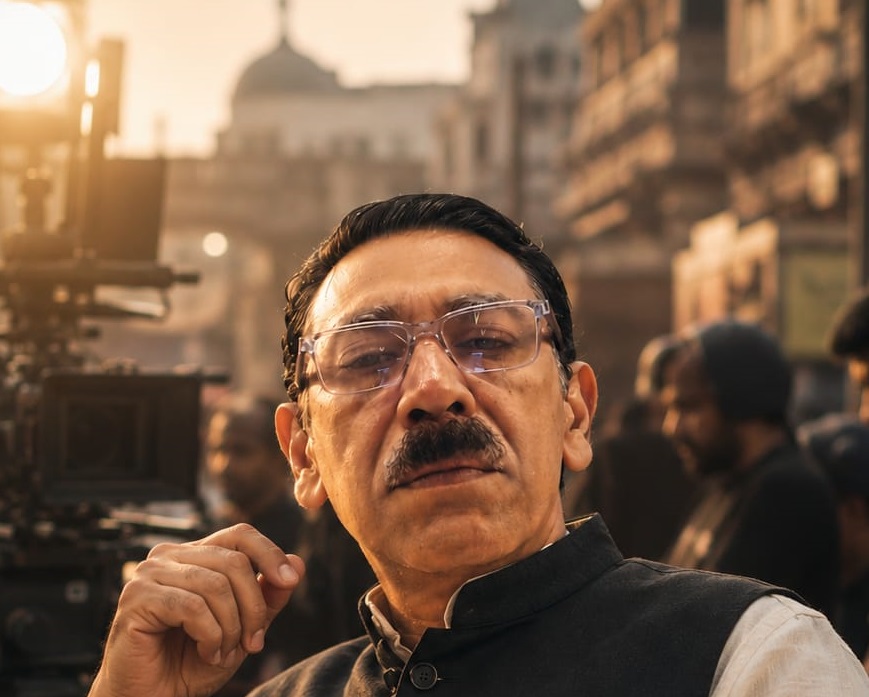
For Shajil Anthru, the Italian appearance adds another dimension to a literary career that has developed across poetry, fiction, criticism, editing and cultural publishing.
Anthru writes in Malayalam and English and is the Founder and Chief Editor of Litterateur Redefining World. His literary and editorial work has focused on bringing different literary cultures, writers and perspectives into conversation.
The appearance of The Perfect Wound in Italy reflects that wider literary movement.
The poem does not travel as an abstract piece of writing detached from its origin. It travels carrying with it Mahabali, Onam, Kerala and the memory of a culture, while simultaneously asking questions that can be encountered by readers elsewhere.
From Kerala to Italy—and beyond
There is a larger significance to such literary encounters.
Kerala has a long and rich literary tradition, but the international circulation of contemporary Kerala writing has often depended upon translation, individual literary initiatives and networks outside the conventional literary establishment.
The digital age is opening additional pathways.
A poem can cross a national boundary almost immediately. A visual interpretation can reach another continent. An independent literary platform can introduce a writer from a distant culture to a new readership.
The appearance of The Perfect Wound on L’Age d’Or – Bardamu is one such moment.
The poem began in the imaginative world of Mahabali’s return. Its movement into an Italian literary space creates another kind of return: a Kerala voice reaching a wider literary world through contemporary digital culture.
Perhaps that is ultimately what makes the journey of The Perfect Wound worth noticing.
A poem does not cease to belong to Kerala when it crosses the border. It carries Kerala with it.
And when Mahabali’s voice is encountered in another literary culture, the wound at the centre of the poem can become not merely a symbol of exile, but also a point of connection between different worlds.
From Kerala to Italy, The Perfect Wound continues its journey.
Related Links
Italian feature:
L’Age d’Or – Bardamu: “Una videopoesia di Shajil Anthru”
YouTube – The Perfect Wound:
Shajil Anthru’s Poetry – The Perfect Wound Visualization
Critical study:
Mythic Descent and the Ethics of Remembrance: A Critical Reading of “The Perfect Wound”
സതീഷ് ജി നായർ

ഏതു കൊടിയ വേനലിലും കൊഴിഞ്ഞു വീഴാൻ അനുവദിക്കാതെ ചില ഇലകളെ ചില്ലകൾ മുറുകെ പിടിക്കും. അതുപോലെ ചില മനുഷ്യരുണ്ട്. അവർ നമ്മളെ കൊഴിഞ്ഞുവീഴാൻ അനുവദിക്കാതെ ചേർത്തുപിടിച്ച് സ്നേഹം കൊണ്ട് എപ്പോഴും നമ്മളെ അതിശയിപ്പിച്ചുകൊണ്ടിരിക്കും. അങ്ങനെയൊരാളായിരുന്നു പാർവതി ശങ്കർ എന്ന ഞങ്ങളുടെ പ്രിയപ്പെട്ട പാർവതി ടീച്ചർ.
28 വർഷം ലൈബ്രേറിയൻ എന്ന നിലയിൽ സേവനം പൂർത്തിയാക്കി ആഗസ്റ്റ് 31ന് ടീച്ചർ തിരുവനന്തപുരം കേരള സ്റ്റേറ്റ് ജവഹർ ബാലഭവനിൽ നിന്നും വിരമിച്ചു കൊണ്ട് ഗ്രേസി ടീച്ചറിന്റെ ‘പടിയിറങ്ങിപ്പോയ പാർവതി’ എന്ന കഥയിലെ കഥാപാത്രത്തെ പ്പോലെ ബാലഭവനിലെ പടികൾ ഇറങ്ങിപ്പോയി.1998 മുതൽ 2026 ആഗസ്റ്റ് വരെയുള്ള കാലഘട്ടത്തിൽ ജവഹർ ബാലഭവൻ ലൈബ്രറിയെ സൗമ്യവും സർഗാത്മവുമാക്കിത്തീർത്ത വ്യക്തിയാണവർ. യാത്രകൾ ഇഷ്ടപ്പെടുന്ന ടീച്ചർ ഇതിനോടകം 17 ഓളം രാജ്യങ്ങളിൽ സഞ്ചരിച്ചിട്ടുണ്ട്. ബാലഭവനിലെ യുവതലമുറയിലെ ഞങ്ങൾ പല അധ്യാപകർക്കും ഒരു തണൽമരമായിരുന്നു ടീച്ചർ. ഏതു വേനലിലും തണലായി മാറിയ ആർദ്രമായ സ്നേഹത്തിന്റെ ഒറ്റ മരം.
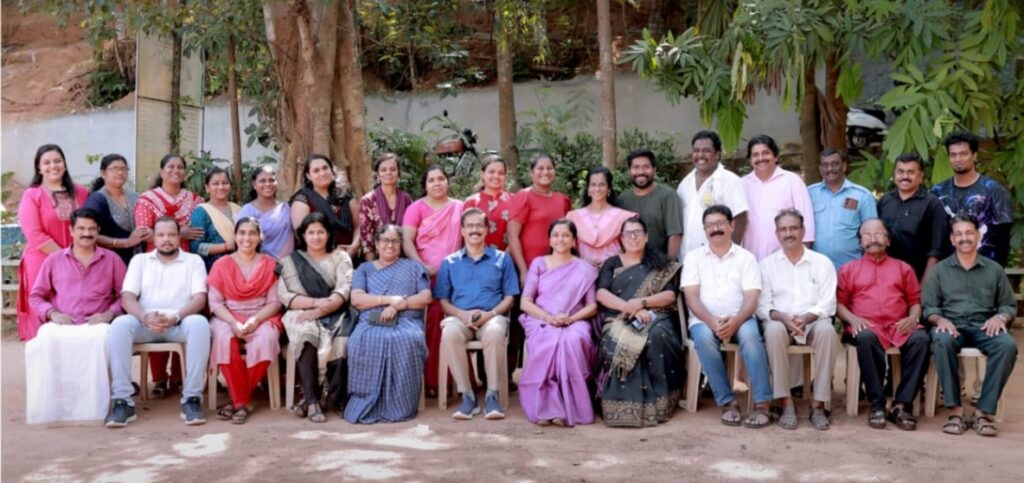
2023 ഏപ്രിലിലാണ് തിരുവനന്തപുരം ജവഹർ ബാലഭവനിൽ നാടകത്തിന്റെ അധ്യാപകനായി ഞാൻ എത്തുന്നത്. കുട്ടികളുടെ വലിയ ലോകം. ചുറ്റും പലതരത്തിലുള്ള കലാവിഷയങ്ങളുടെ ക്ലാസ്സുകൾ. ഞാൻ അവിടെ പുതിയ ആളായിരുന്നതിനാൽ ഒരു അപരിചിതത്വം എന്നെ പൊതിഞ്ഞുപിടിച്ചിരുന്നു. കുട്ടികളുമായി നാടകം കളിയിലൂടെയും കാര്യത്തിലൂടെ യും പോയിക്കൊണ്ടിരിക്കുമ്പോൾ ഒരിക്കൽ എന്റെ ക്ലാസ് മുറിയിലേക്ക് ഒരാൾ നടന്നുവരുന്നു. പ്രഥമദൃഷ്ടിയിൽ ത്തന്നെ അത് ടീച്ചറാണെന്ന് ഞാൻ മനസ്സിൽ ഉറപ്പിച്ചു. എനിക്ക് നേരെ ഒരു ക്ഷണക്കത്ത് നീട്ടിയിട്ട് ടീച്ചർ പറഞ്ഞു: “സാർ മോന്റെ കല്യാണമാണ് വരണേ…”. വലിയ സന്തോഷം തോന്നിയ നിമിഷങ്ങൾ. ഞാൻ ചോദിച്ചു.
“എന്താ ടീച്ചറുടെ പേര്?”
“പാർവതി”.
ഇവിടുത്തെ ലൈബ്രേറിയനാണെന്ന് സ്വയം പരിചയപ്പെടുത്തിക്കൊണ്ട് ചിരിച്ചുകൊണ്ട് കടന്നുപോവുകയും ചെയ്തു. ബാലഭവനിൽ വന്നപ്പോൾ എനിക്ക് ആദ്യമായി കിട്ടിയ ഒരു ക്ഷണമായിരുന്നു അത്. എന്റെ നാടക ക്ലാസിൻ്റെ തൊട്ടടുത്ത ക്ലാസിലെ കീബോർഡ് അധ്യാപകനായ ബെനഡിക് സാർ കല്യാണത്തിന്റെ തലേദിവസം എന്നെ ഓർമിപ്പിച്ചു, “സാർ നാളെ നമുക്ക് കല്യാണത്തിന് പോകണം. അന്നത്തെ ഇടവേളയിൽ ഞാനും ബെനഡിക് സാറും വെള്ളയമ്പലത്തിൽ നിന്നും നടന്നു നടന്ന് വഴുതക്കാട് കല്യാണ മണ്ഡപത്തിലെത്തി. ബാലഭവനിലെ അധ്യാപകരെ എല്ലാവരെയും അവിടെ കാണാൻ കഴിഞ്ഞു. എല്ലാവർക്കും ഒരുപോലെ ഇഷ്ടപ്പെട്ട ഒരാളാണ് പാർവതി ടീച്ചർ എന്ന് അപ്പോൾ മനസ്സിലായി. കല്യാണവും കൂടി തിരികെ ബാലഭവനിലേക്ക് വന്നു. നാടക കളികളുമായി വീണ്ടും കുട്ടികളോടൊപ്പം കൂട്ടുകൂടി. ദിവസങ്ങൾ അങ്ങനെ കടന്നുപോയി.
ബാലഭവനിൽ ക്ലാസുകൾക്കിടയിൽ കുട്ടികളുടെ കൂട്ടത്തിൽ ചിലപ്പോഴൊക്കെ ടീച്ചറിനെ കാണുമ്പോൾ ഒരു ചെറുപുഞ്ചിരി സമ്മാനിച്ചുകൊണ്ട് കടന്ന് പോകും അത്രമാത്രം. 2023 കേരള സർക്കാരിന്റെ കേരളീയം പരിപാടി വന്നപ്പോൾ അന്നത്തെ പ്രിൻസിപ്പൽ മാലിനി ടീച്ചറിന്റെ നിർദ്ദേശം അനുസരിച്ച് ബാലഭവൻ അധ്യാപകരെയും വിദ്യാർഥികളുടെയും ഉൾപ്പെടുത്തി ഒരു ഡോക്യൂ ഡ്രാമ സംവിധാനംചെയ്യാൻ അവസരം ലഭിച്ചു. പാർവതി ടീച്ചറും അതിൻ്റെ ഭാഗമായിരുന്നു. അന്നുമുതലാണ് ടീച്ചറിനെ കൂടുതൽ പരിചയപ്പെടുന്നത്. ആ പരിപാടി വളരെ ഗംഭീരമായി അവതരിപ്പിക്കപ്പെട്ടു. ബാലഭവൻ ചരിത്രത്തിൽ ഇങ്ങനെ ഒരു പരിപാടി ആദ്യമായിട്ടാണെന്നു പറഞ്ഞുകൊണ്ട് ടീച്ചർ എന്നെ അഭിനന്ദിച്ചു. അതൊരു വലിയ അംഗീകാരമായി ഞാനിന്നും ഹൃദയത്തിൽ സൂക്ഷിക്കുന്നു. ഈ പരിപാടിയ്ക്കു ശേഷമാണ് പാർവ്വതിടീച്ചറുമായി കൂടുതൽ സൗഹൃദത്തിലാകുന്നത്.
അതിനുശേഷം ഞാൻ ലൈബ്രറിയിലെ നിത്യസന്ദർശകനായി. സാഹിത്യത്തെക്കുറിച്ചും പുസ്തകങ്ങളെക്കുറിച്ചും ടീച്ചറുമായി സംസാരിക്കാറുണ്ട്. കലാപരമായ എന്റെ എല്ലാത്തരത്തിലുള്ള പ്രവർത്തനങ്ങൾക്കും നൽകുന്ന ടീച്ചറുടെ പ്രോത്സാഹനം മറക്കാൻ കഴിയാത്ത ഒന്നാണ്. എന്റെ പുസ്തക പ്രകാശനത്തിനും ബാലഭവന് പുറത്ത് ഞാൻ അവതരിപ്പിക്കുന്ന നാടകങ്ങൾ കാണാനും ടീച്ചർ സമയം കണ്ടെത്തി എത്തിയിരുന്നു. ഏതു സിനിമ ഇറങ്ങിയാലും റിലീസ് ചെയ്യുന്ന ആഴ്ച തന്നെ ആ സിനിമ കാണുമായിരുന്നു. സിനിമയും സാഹിത്യവും നാടകവും ഒക്കെ ഇഷ്ടപ്പെടുന്ന ടീച്ചറിലേക്ക് എന്നെ കൂടുതൽ അടുപ്പിച്ചു. ബാലഭവനിൽ ക്ലാസ് എടുക്കാൻ വരുന്ന സമയങ്ങളിൽ കുറഞ്ഞത് പത്തു മിനിറ്റെങ്കിലും ടീച്ചറോട് സംസാരിച്ചിട്ടാവും ഞാൻ ക്ലാസിലേക്ക് പോകുക. ഒരു അമ്മയുടെ കരുതലും ചേച്ചിയുടെ വാത്സല്യവും സുഹൃത്തിന്റെ സ്നേഹവും ഒന്നിച്ചൊഴുകി ആർദ്രമായി മനസ്സിൽ തൊടുന്നത് പോലെയായിരുന്നു ടീച്ചറുടെ ഇടപെടൽ. ഓരോ ഞായറാഴ്ചകളിലും ടീച്ചർ നമുക്കായി വ്യത്യസ്തവും രുചികരവുമായ പ്രഭാത ഭക്ഷണം കൊണ്ടു വരുമായിരുന്നു. ഞാനും യോഗടീച്ചർ കൂടിയായ പ്രിയസുഹൃത്ത് പ്രവീണയും അതിനായി കാത്തിരിക്കുമായിരുന്നു. എന്തിനാണ് സതീഷ് സാറിന് ടീച്ചർ ഫുഡ് കൊണ്ടുവരുന്നതെന്ന് ഒരിക്കൽ യോഗ ക്ലാസിലെ ഒരു കുട്ടി ചോദിച്ചു.
ടീച്ചർ ചിരിച്ചുകൊണ്ട് പറഞ്ഞു: “അതെന്റെ അനിയൻ അല്ലേ. കൊണ്ടുവരാതിരിക്കാൻ പറ്റുമോ” എന്ന്.
അവധിക്കാല ക്ലാസുകളിലും റെഗുലർ ക്ലാസുകളിലും ഇടവേളകളിൽ ലൈബ്രറിയിൽ എത്തുന്ന കുട്ടികളെ അറിവിലേക്കും അക്ഷരങ്ങളിലേക്കും അടുപ്പിക്കുന്നതിനായി ടീച്ചർ സർഗ്ഗാത്മകമായ പലതരത്തിലുള്ള പരിപാടികൾ ചെയ്യുമായിരുന്നു. പലപ്പോഴും എനിക്കും അതിന്റെ ഭാഗമാകാൻ കഴിഞ്ഞിരുന്നു.ലൈബ്രറിയിൽ എത്തുന്ന കുഞ്ഞുമക്കൾക്ക് സമ്മാനങ്ങൾ നൽകിയിയും അവർക്ക് ഇഷ്ടപ്പെട്ട പുസ്തകങ്ങൾ എടുത്തു നൽകിയും അവരോടൊപ്പം ആനന്ദിക്കുകയായിരുന്നു ആ ലൈബ്രേറിയൻ.
2026 ആഗസ്റ്റ് മാസം അവസാന ദിവസങ്ങളിൽ ഒന്നിൽ ടീച്ചറിന്റ വിരമിക്കൽ ചടങ്ങ് നടക്കുകയായിരുന്നു. പതിവിലും സന്തോഷവതിയായിട്ടാണ് ടീച്ചറിനെ അന്ന് കണ്ടത്. സങ്കടത്തിന്റെ നേരിയ ലാഞ്ഛന പോലും ആ മുഖത്തില്ലായിരുന്നു. എങ്കിലും പൊന്നുപോലെ നോക്കിയിരുന്ന ആ ലൈബ്രറിക്ക് താൻ പോകുമ്പോൾ എന്തു സംഭവിക്കും എന്നുള്ള ആകുലത ഏറ്റവും പ്രിയപ്പെട്ടവരോട് പങ്കുവച്ചിരുന്നു. വിരമിക്കൽ ചടങ്ങിൽ ആരുടെയും പേര് പറയാതെ തന്നെ എല്ലാവർക്കും ടീച്ചർ സ്നേഹാർദ്രമായ നന്ദി അടയാളപ്പെടുത്തി. ചടങ്ങ് കഴിഞ്ഞതിനുശേഷം ക്രാഫ്റ്റ് പഠിപ്പിക്കുന്ന അജിത ടീച്ചറുമായി സംസാരിച്ചിരിക്കുന്ന പാർവതി ടീച്ചറിന്റെ അരികിലേക്ക് ഞാനും ചെന്നിരുന്നു. സ്വാഭാവികമായി സംസാരിക്കാൻ ശ്രമിച്ചിരുന്നു. പക്ഷേ തടഞ്ഞു നിർത്താൻ കഴിയാത്ത വിധം എന്റെ കണ്ണുകൾ നിറഞ്ഞൊഴുകാൻ തുടങ്ങി…
തിരുവനന്തപുരം, സെപ്റ്റംബർ 23, 2026:കേരളത്തിന്റെ കലാ–സാംസ്കാരിക രംഗത്ത് ശ്രദ്ധേയമായ സാന്നിധ്യമായിരുന്ന പ്രമുഖ നാടകപ്രവർത്തകനും കലാസംഘാടകനും ‘സൂര്യ’ സാംസ്കാരിക പ്രസ്ഥാനത്തിന്റെ സ്ഥാപകനുമായ സൂര്യ കൃഷ്ണമൂർത്തി അന്തരിച്ചു. തിരുവനന്തപുരത്തെ ആശുപത്രിയിൽ ചികിത്സയിലിരിക്കെയായിരുന്നു അന്ത്യം.
നാടകം, സംഗീതം, നൃത്തം, സിനിമ തുടങ്ങി വിവിധ കലാരൂപങ്ങളെ ഒരേ വേദിയിൽ അവതരിപ്പിക്കുകയും കലാകാരന്മാർക്ക് വിശാലമായ അവസരങ്ങൾ ഒരുക്കുകയും ചെയ്ത വ്യക്തിത്വമായിരുന്നു സൂര്യ കൃഷ്ണമൂർത്തി. അദ്ദേഹത്തിന്റെ നേതൃത്വത്തിൽ വളർന്ന സൂര്യ ഫെസ്റ്റിവൽ തിരുവനന്തപുരത്തിന്റെ സാംസ്കാരിക ജീവിതത്തിലെ ശ്രദ്ധേയമായ വാർഷിക വേദിയായി മാറി.
ലൈറ്റ് ആൻഡ് സൗണ്ട് അവതരണരംഗത്തും അദ്ദേഹം ശ്രദ്ധേയമായ സംഭാവനകൾ നൽകി. കലാരംഗത്തെ സംഘാടകൻ എന്ന നിലയിൽ നിരവധി കലാകാരന്മാരെയും കലാപ്രതിഭകളെയും പൊതുസമൂഹത്തിന് പരിചയപ്പെടുത്തുന്നതിലും അദ്ദേഹം നിർണായക പങ്കുവഹിച്ചു.
സൂര്യ കൃഷ്ണമൂർത്തിയുടെ നിര്യാണത്തിൽ ലിറ്ററേറ്റർ പത്രാധിപസമിതിയും കെ. എം. അന്ത്രു ഫൗണ്ടേഷനും അഗാധമായ ദുഃഖവും അനുശോചനവും രേഖപ്പെടുത്തി.
“കലാകാരന്മാർക്ക് വേദിയൊരുക്കിയ സാംസ്കാരിക ശിൽപിയായിരുന്നു സൂര്യ കൃഷ്ണമൂർത്തി. അദ്ദേഹം സൃഷ്ടിച്ച വേദികളും വളർത്തിയ കലാപ്രതിഭകളും നിലനിൽക്കുന്നിടത്തോളം അദ്ദേഹത്തിന്റെ ഓർമ്മയും സാന്നിധ്യവും തുടരും. അദ്ദേഹത്തിന്റെ കുടുംബത്തിന്റെയും സഹപ്രവർത്തകരുടെയും ദുഃഖത്തിൽ പങ്കുചേരുന്നു.” എന്ന് കെ. എം. അന്ത്രു ഫൗണ്ടേഷൻ ചെയർമാൻ ഷാജിൽ അന്ത്രു അനുശോചന സന്ദേശത്തിൽ പറഞ്ഞു.

പാലക്കാട്, സെപ്റ്റംബർ 9, 2026: കല്പാത്തി കുന്നുംപുറം ആരഭിയിൽ ഇ.എം. കൃഷ്ണൻ നമ്പൂതിരി (84) നിര്യാതനായി. ഭാര്യ: കെ എൻ മേദിനി (റിട്ടയേഡ് അദ്ധ്യാപിക, കാട്ടുകുളം സ്കൂൾ) പരേതരായ, യാജ്ഞികൻ മൂക്കുതല ഏർക്കര മനയിൽ ശങ്കരൻ സോമയാജിപ്പാടിൻ്റെയും സാവിത്രി അന്തർജനത്തിൻ്റെയും മകനാണ്. മൂക്കുതല ഗവ. സ്കൂൾ, മുന്നൂർക്കോട് ഗവ. സ്കൂൾ, കടമ്പൂർ ഗവ. സ്കൂൾ, മോയൻസ് ഗേൾസ് ഹൈസ്കൂൾ എന്നിവിടങ്ങളിൽ അദ്ധ്യാപകനും മൂന്നാർ ഗവ. മോഡൽ റസിഡൻഷ്യൽ സ്കൂൾ, കോങ്ങാട് യു.പി. സ്കൂൾ എന്നിവിടങ്ങളിൽ പ്രധാനാദ്ധ്യാപകനും മണ്ണാർക്കാട്, പറളി, പാലക്കാട് ഉപജില്ല എ.ഇ.ഒ.യും പാലക്കാട് ബി.ആർ. സി.കോ-ഓഡിനേറ്ററും ആയിരുന്നു. ഭാര്യ: കെ.എൻ. മേദിനി (റിട്ട. അദ്ധ്യാപിക, കാട്ടുകുളം ഹൈസ്കൂൾ) മകൾ: ഇ.കെ സ്മിത (എൻ. എം.എസ്.എം. ഗവ. കോളജ്, കല്പറ്റ), ജാമാതാവ്: അൻവർ (തുഞ്ചത്തെഴുത്തച്ഛൻ മലയാളസർവ്വകലാശാല). മൃതദേഹം പാലക്കാട് മെഡിക്കൽ കോളജിനു കൈമാറും.
THIRUVANANTHAPURAM: Writer and poet Shajil Anthru’s new English poem, “I Am the President,” has been released, offering a powerful and disturbing satire on political power, war and propaganda.
Written as a first-person dramatic monologue, the poem gives voice to an unnamed president who claims responsibility for war and destruction and ultimately awards himself the “Noble” Prize. Through this dark irony, Anthru examines the psychology of absolute power and the transformation of human suffering into political spectacle.
The poem’s short, direct lines reflect Anthru’s interest in Fishbone Poetry, while its philosophical concerns resonate with his broader literary exploration of power, humanity and Zeroism.
The release video is available on Facebook:
https://www.facebook.com/share/v/1DtJNFM9sW/
The Onam celebrations in Kerala may have come to an end, but the literary resonance of “Beyond Light and Shadow” (എറിക് ലാസ്റ്റിക്: വെളിച്ചത്തിനും നിഴലിനും അപ്പുറം), the feature on American writer Eric Lastick, continues to linger among readers of Litterateur.
This was one of the featured articles published in the August 2026 Malayalam Edition of Litterateur Magazine.
Born on November 25, 1957, in Philadelphia, Pennsylvania, USA, Eric Lastick is a writer who transforms the ordinary experiences of life into extraordinary literary creations. In an interview with the Chief Editor of Litterateur Magazine, Lastick introduces himself in his own words:
“I am someone who loves people and the goodness in the world deeply. Many people say that my writings create a dreamlike atmosphere. Every reader can experience and interpret them according to their own life experiences. I try to find a story in every ordinary scene around me. Whether it is an old man, his cat and his guitar, or the lives of people at the bottom of society, I see beauty and meaning everywhere. Through my writing, I want readers to think beyond their usual ways of thinking.”
The article offers readers an intimate glimpse into the literary world of Lastik—a world where the ordinary becomes extraordinary, darkness contains its own possibilities, and seemingly insignificant lives reveal unexpected beauty and meaning.
The feature also carries Malayalam translations of one of Lastick’s poems and a prose poem, introducing his distinctive voice to Malayalam readers. Among the works explored is “An Old Man, a Cat and a Guitar — and Then Doctor Dark, the World of Darkness,” offering a fascinating glimpse into the unusual imaginative landscape of the writer.
Lastick’s literary journey can also be read as a passage through darkness towards self-discovered light. In a way reminiscent of Mahabali’s journey into the netherworld, his life and writing speak of confronting falls, darkness and difficult experiences, and transforming them into a world of his own through literature.
Published as part of the August 2026 Malayalam Onam Edition of Litterateur, the article “Beyond Light and Shadow” (എറിക് ലാസ്റ്റിക്: വെളിച്ചത്തിനും നിഴലിനും അപ്പുറം) remains relevant beyond the festival season—because its central question is not about Onam alone, but about the human capacity to discover light even within darkness.


A Writer Who Transcends the Boundaries of Literature
Eric Lastick’s writings cannot be confined to a single literary genre. He moves freely and independently across a wide range of forms, including poetry, experimental stories in the Gothic-Noir tradition, memoir, and creative works inspired by spiritual experiences.
He says:
“The different states of my mind and the journeys of my life could not be confined to a single genre. I am someone who writes very naturally. I do not like writing within a predetermined framework. My writing is a journey of discovery—a journey without rules or boundaries.”
The First Steps into Writing
From childhood itself, Lastick realized that writing was destined to be a part of his life.
From an early age, he possessed a mind that viewed life with a sense of wonder. By the time he reached adolescence, pen and paper had become his world.
In 1977, at the age of twenty, he wrote his first poem, “Crystal Blue Eyes.”
Blending memories of high-school love with elements of science fiction and the symbolism of a lunar eclipse, the poem marked the beginning of his literary journey.


Friendship with Lee G. Banks
The friendship he developed with renowned journalist and writer Leigh G. Banks became a turning point in Eric Lastick’s life.
For decades, Leigh G. Banks was a distinguished British investigative journalist, writer and broadcaster who made his mark on the international media landscape. He worked with major global media networks, including BBC, Netflix and AirTV, and gained international recognition for investigative reports that exposed corruption within powerful institutions.
But Banks was more than a journalist. He had a keen interest in discovering and encouraging talented people and unconventional ways of thinking from different parts of the world. Through his own blog and the Substack platform, he gave considerable space not only to political and social commentary but also to experimental literary writing.
It was Leigh G. Banks who first recognized the distinctive quality of Lastick’s writing style. After Lastick wrote a story about his fascination with Western films, Banks published it on his blog, giving Lastick an important international platform and helping strengthen their literary connection.
Banks played a significant role in the development of Lastick as a writer, serving not merely as a friend but also as a mentor and guide. Following Banks’s unexpected death, some older writings had to be removed at the request of his wife. However, at the request of Banks’s family, Lastick continues to serve as both the administrator and a writer for the blog.
By preserving both his own new writings and Banks’s creative works, Lastick continues to carry forward the literary legacy they built together. The literary heritage passed on by Leigh G. Banks—and the memories of their deep friendship—remain alive through the blog even today.
Lastick recalls Banks in these words:
“After Leigh’s death, I thought I would no longer have the opportunity to write professionally. But the blog remains a platform where I can share my thoughts. It is a continuation of our friendship.”
An Old Man, a Cat and a Guitar — and Then Doctor Dark, the World of Darkness
One of Eric Lastick’s most remarkable poems is “Old Man, Cat… and This Here, Guitar.” Presented in a quiet and understated language, the poem explores old age, companionship and acceptance of life, leaving a lasting impression on many readers.
Although the guitar is mentioned in the title, it does not actually appear in the body of the poem. Lastick says, however, that there is a deeper meaning behind this.
“The guitar is part of the old man’s journey through life. Years of experiences and memories are hidden within it. The cat and the guitar are two companions of his life. It is these three together that complete his life story.”
Lastick also explains that the poem’s final line, “Live life in the beauty of the day,” is more than simply a piece of advice.
“It is only after experiencing the joys and sorrows, successes and failures of life that the old man discovers peace of mind. Instead of worrying about his shortcomings, he finds happiness in the affection of his cat and in the simplicity of life. That is true peace.”
The poem is not merely about an old man and his cat. It reflects the self-acceptance and inner peace of every human being approaching the later stages of life.
The article concludes with a Malayalam translation of Eric Lastick’s poem, “Old Man, Cat… and This Here, Guitar” (വൃദ്ധൻ, പൂച്ച… ഇതാ, ഗിറ്റാർ), bringing his distinctive poetic voice directly to Malayalam readers.

Thiruvananthapuram | 3 September 2026
Litterateur TV has released a visualised reading of Shajil Anthru’s English poem “The Perfect Wound.” The film, titled Shajil Anthru’s poetry The Perfect Wound Visualization, runs just under four minutes and is now available on the Litterateur TV channel. The same video is being carried on the Litterateur Online News portal.
The lyric is spoken in the first person from the Netherworld on the returning day of Onam. Mahabali addresses an unnamed “you,” sets remembrance against justice, and ends with the question that gives the poem its title: whether the scheduled feast and the promise of memory are enough. The visualisation places that voice against images of feast, descent, and unanswered space rather than treating the festival only as celebration.
The poem has also been the subject of a published critical reading by the poet himself. The paper, “Mythic Descent and the Ethics of Remembrance: A Critical Reading of ‘The Perfect Wound,’” appears in the International Research Journal of Modernization in Engineering Technology and Science (IRJMETS), Volume 08, Issue 09, September 2026, paper ID IRJMETS80900003593, pages 50–53. The article is online at: https://www.irjmets.com/paperdetail.php?paperId=268e87932b8bd4b15d8200263a0780a9
A publication certificate was issued on 3 September 2026.The study states at the outset that the writer of the poem and the writer of the essay are the same person, and it tries to keep the two roles apart. It reads the lyric as an independent text: calendar time against cosmic time, the three-fold fall as a geological rewriting of Vamana’s three paces, and the last phrase—“the perfect wound”—as a wound that is complete rather than admirable. It also names a limit of the poem, the crowded “you” that may be god, people, or later reader. Comparison is used only to place the architecture of descent, not to claim rank.
Shajil Anthru, Chairman of the K. M. Anthru Foundation and Editor of Litterateur Redefining World, works in Malayalam and English. “The Perfect Wound” belongs to that bilingual line and to a Kerala myth that still returns each Chingam. The new video and the journal essay put the same short lyric in two rooms at once: a public screening and a formal close reading.
Readers may watch the visualisation on Litterateur TV and on this portal, and consult the IRJMETS paper at the link above.
Video: https://www.youtube.com/watch?v=4Irv3c0wAjw
Paper: IRJMETS, Vol. 08, Issue 09, September 2026, ID IRJMETS80900003593

Thiruvananthapuram: Italian artist Giacomo Cuttone, from Sicily, offers a distinctive artistic perspective on Kerala’s Onam in the August 2026 edition of Litterateur Malayalam Edition, under the title “Giacomo Cuttone: Kerala Painted with Flowers.”
The feature presents Onam through the eyes of an internationally acclaimed artist from outside Kerala. For Cuttone, Onam is not limited to the traditional flower carpets, festive feast or boat races. Instead, he approaches the festival as a world of colours, forms and memories.
Through an artist’s perspective, Onam emerges not merely as a festival, but as a story told through colours, a memory that blossoms through flowers, and a visual expression of the relationship between human beings, nature and society.
The feature also offers readers an opportunity to look at a familiar Kerala festival from the perspective of someone who comes from a different cultural landscape. This outside gaze creates a fresh visual and artistic interpretation of Onam and invites readers to rediscover the festival beyond its familiar symbols.
The August 2026 edition of Litterateur Malayalam Edition brings together such cross-cultural artistic and literary perspectives, connecting Kerala’s cultural experiences with creative voices from different parts of the world.
Onam Through the Eyes of an Italian Artist
By Giacomo Cuttone, Sicily, Italy
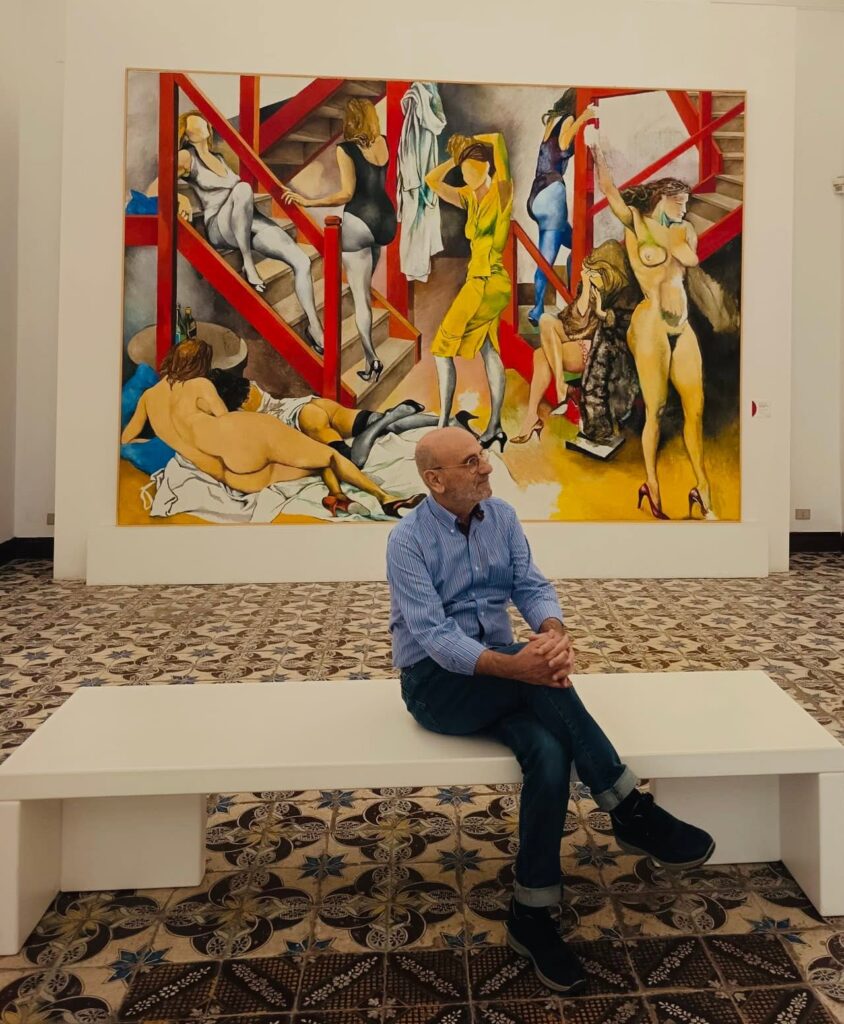
When the monsoon rains slowly withdraw, Kerala takes on a new colour. Amid the greenery come the joy of the harvest and the colours of flowers. It is at this time that Onam, Kerala’s most beloved festival, arrives.
Onam is a celebration of prosperity, happiness and gratitude. It is also connected to an ancient story of Kerala—the story of King Mahabali.
Mahabali, who is believed to have once ruled Kerala, was known as a just ruler who loved his people. According to Kerala’s traditional belief, everyone lived in happiness and peace during his reign. It is said that Mahabali returns to earth once a year to see his beloved people.
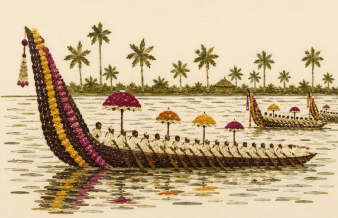
It is to welcome him that Kerala celebrates Onam with such affection. Flower carpets, known as pookkalams, appear in the courtyards of homes. The aroma of the Onam feast fills the houses. Boat races, folk songs and traditional games add colour and excitement to the celebrations.
But when viewed through the eyes of an artist, Onam is more than a festival. It is Kerala painted in colours—a Kerala that lives in flowers, greenery, water, earth and the smiles of its people.
Today, Onam is a festival celebrated by everyone in Kerala. Beyond differences of religion and caste, it has become part of Kerala’s shared identity. These are days when families and communities come together to celebrate old memories, the beauty of nature and their love for their homeland.
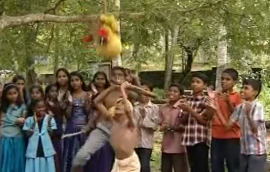
For ten days, from August to September, Kerala becomes a land of celebration. In cities and villages, homes and streets are filled with the colours of Onam. Flower carpets, the Onam feast, dances, songs, boat races and various traditional practices come together to present Kerala’s distinctive culture in a beautiful way.
The greatest celebration of these ten days takes place on Thiruvonam, the most important day of Onam. On that day, it seems as if the whole of Kerala celebrates its happiness together.
For me, as an artist, Onam is not simply a festival. It is a beautiful sight in which an entire land celebrates its colours, memories and happiness together.
Music, theatre and dance fill the Onam season with sound and movement. But from an artist’s point of view, the deepest visual spirit of Onam can be found in the visual arts.
During these days, homes, courtyards and sometimes even temples become like canvases. Colours, forms and symbols passed down through generations appear there with new meanings.
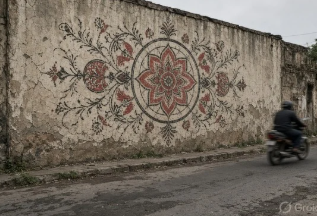
At the heart of this tradition is the pookkalam. It is a beautiful decoration made with flowers to welcome Mahabali. As each day of Onam passes, the pookkalam becomes larger and more elaborate. Circles, geometric shapes, beautiful patterns and flowers of many colours come together to create a living picture in the courtyard. It reminds us of nature’s abundance and the fertility of the earth.
But the pookkalam is more than a decoration. It is an experience of togetherness. Family members sit together to collect flowers and create the pookkalam. In many places, neighbours and friends also join them.
The simplicity of flowers thus becomes a symbol of happiness, prosperity and friendship.
Perhaps the most beautiful thing about a pookkalam is that, after a few days, it disappears. It therefore becomes a fleeting work of art that survives only in memory.
Kerala’s visual tradition also has an important place for mural painting. Found in temples, palaces and old buildings, these paintings form an important part of Kerala’s artistic history. Created using natural colours and delicate lines, they depict mythological stories, divine figures, nature and human life.
During Onam, when Kerala’s old stories and new celebrations come together, these murals remind us of the depth of this artistic tradition.
Another aspect that fascinates an artist like me is that this tradition does not remain static. Contemporary artists are presenting the old forms, colours and symbols of Onam in new ways. In painting, design and crafts, new works are being created by drawing inspiration from pookkalams, murals and various symbols associated with Onam.
In this way, tradition is not simply repeated. It enters the artistic language of a new generation.
From an artist’s point of view, therefore, Onam is not merely a festival. It is a story told through colours. It is a memory that blossoms through flowers. It is also a beautiful picture of the relationship between human beings, nature and society.
In every petal of a flower, every line of a painting and every form in a decoration, a small story of Kerala is hidden.
Every year, when Onam arrives, Kerala paints those stories once again in colours—a new picture of its land, nature, people and memories.
Why this article makes the August 2026 issue of Litterateur Malayalam Edition distinctive
What makes this article particularly special is the voice behind it. An Italian artist from Sicily, looking at Onam from outside Kerala, is interpreting one of Kerala’s most familiar cultural celebrations through the language of visual art.
At a time when Onam features in countless Malayalam publications, Litterateur offers something different: it allows Kerala to be seen through the eyes of an international artist. Instead of merely describing Onam’s customs and celebrations, Cuttone explores the festival through colour, form, flowers, murals, memory, nature and community.
This gives the August 2026 Malayalam Edition a distinctive cross-cultural dimension. It is not simply an article about Onam; it is an encounter between Kerala’s cultural memory and an Italian artist’s imagination.
That perspective makes the Litterateur Onam issue different from conventional festival editions—and reflects the magazine’s larger literary vision of bringing Kerala into dialogue with the wider world.