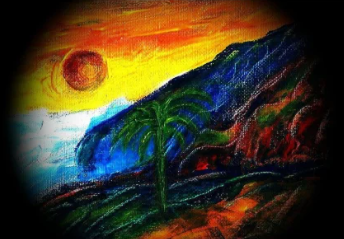
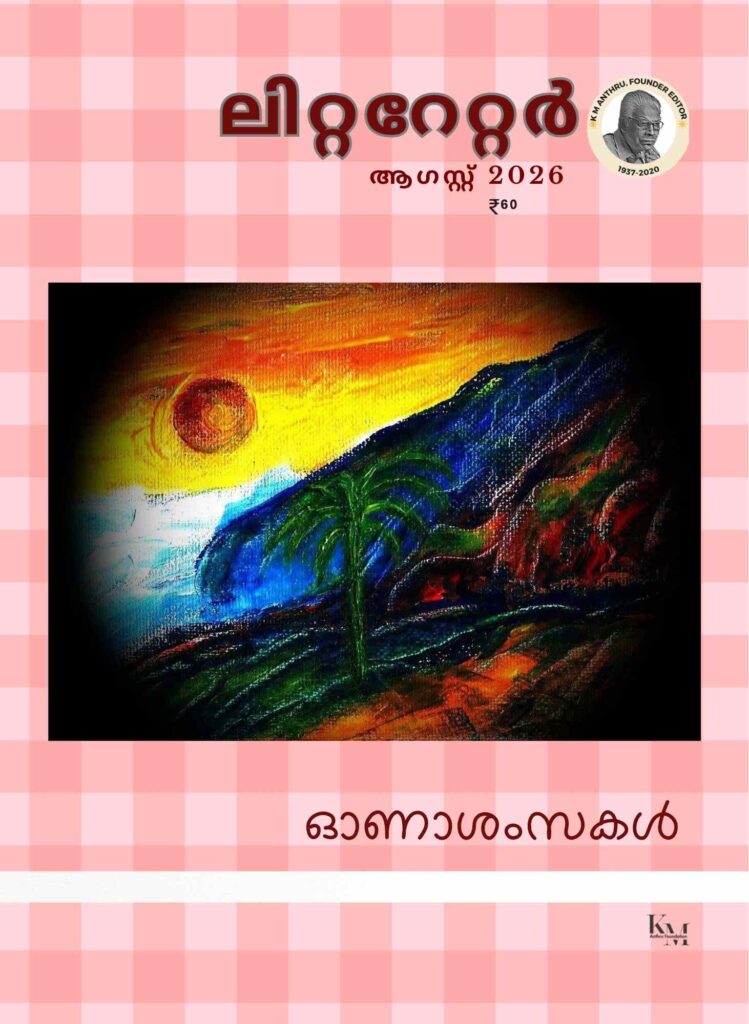
അന്താരാഷ്ട്ര സാഹിത്യമാസികയായ Litterateur Redefining World ന്റെ മലയാളം എഡിഷനായ ലിറ്ററേറ്റർ മാസികയുടെ ആഗസ്റ്റ് 2026 ലക്കത്തിന്റെ മുഖചിത്രം വരച്ചത് റഷ്യയിൽ ജനിച്ച് അമേരിക്കയിൽ ജീവിക്കുന്ന എഴുത്തുകാരിയും കലാകാരിയുമായ നീന കോസ്മാനാണ്. ചിത്രത്തിൽ ഓണപ്പൂക്കളമോ മഹാബലിയോ പതിവ് ഉത്സവചിഹ്നങ്ങളോ ഇല്ല. എന്നിട്ടും അതിൽ കേരളത്തിന് പരിചിതമായ ഒരു വെളിച്ചവും ചൂടും അനുഭവപ്പെടുന്നു.
ചിത്രത്തോടൊപ്പമുള്ള റഷ്യൻ കവിതയ്ക്ക് “ЖАР” (Heat / Fever — ചൂട്, പനി) എന്നാണ് പേര്.
ഓണവുമായി നേരിട്ട് ബന്ധമില്ലാത്ത ഈ കവിതയെയും ചിത്രത്തെയും “ഓണവെളിച്ചം” എന്ന കവിതയിലൂടെ ഷാജിൽ അന്ത്രു പുനർവായന നടത്തുന്നു.
ഒരേ കലാസൃഷ്ടിയെ രണ്ട് വ്യത്യസ്ത സാംസ്കാരിക അനുഭവങ്ങളിലൂടെ വായിക്കാനുള്ള ഈ അവസരം വായനക്കാർക്ക് സവിശേഷമായ അനുഭവമാണ് നൽകുന്നത്.
നീന കോസ്മാന്റെ “ചൂട്” എന്ന ദേശാന്തര അനുഭവത്തിൽനിന്ന് ഷാജിൽ അന്ത്രുവിന്റെ “ഓണവെളിച്ചം” എന്ന കേരളീയ സാംസ്കാരിക പുനർവായനയിലേക്കുള്ള ഈ യാത്ര കേരളത്തിന്റെ ഓണസ്മരണയുമായി ബന്ധിപ്പിക്കുന്നു. പരിചിതമായ ഓണത്തെ അപരിചിതമായ ഒരു കലാഭാഷയിലൂടെ കാണാനുള്ള ഈ സമീപനം വായനയ്ക്ക് പുതിയൊരു ദൃശ്യ-സാംസ്കാരിക അനുഭവം നൽകുന്നു.
An excerpt from “Gallery” by Shajil Anthru, Litterateur Malayalam Edition, August 2026
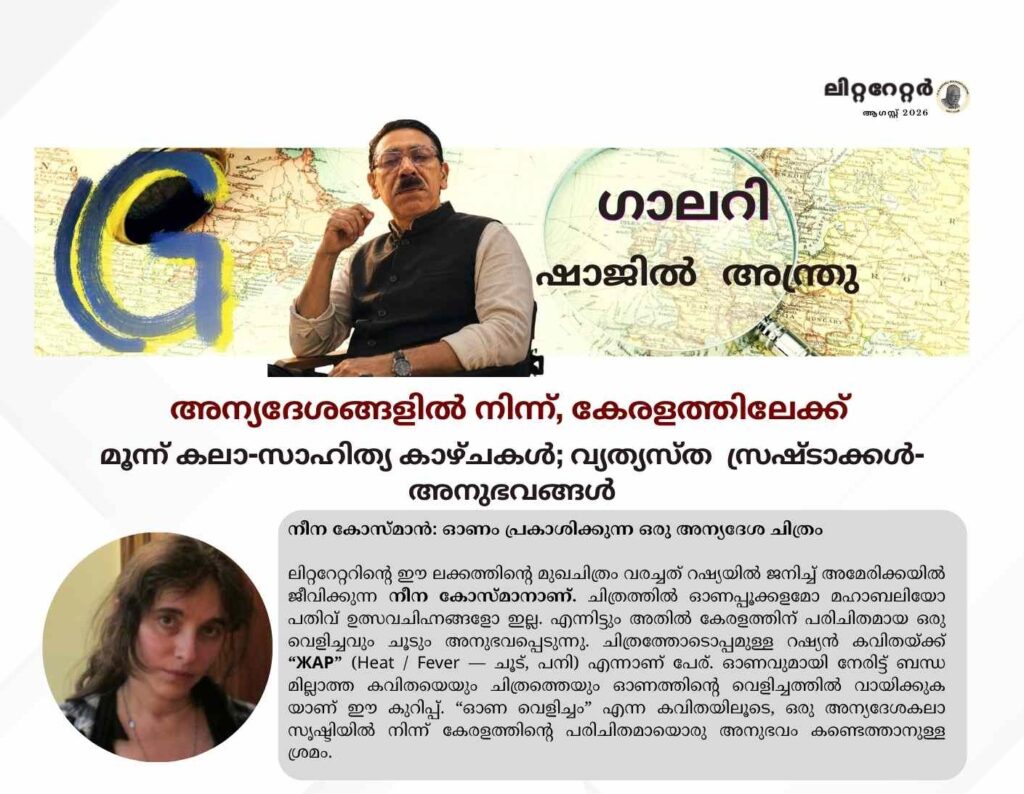
Nina Kossman: An Image from a Distant Land Illuminated by Onam
The cover painting of this issue of Litterateur was created by Nina Kosman, who was born in Russia and now lives in the United States. The painting contains no traditional Onam flower carpet, Mahabali, or other familiar symbols of the festival. Yet, it evokes a light and warmth that feels deeply familiar to Kerala.
The Russian poem accompanying the painting is titled “ЖАР” (Heat / Fever). This note attempts to read the poem and the painting—neither of which is directly connected to Onam—in the light of the Onam experience.
Through the poem “Onam Light,” it is an attempt to discover a familiar Kerala experience within an artwork created in a distant land.
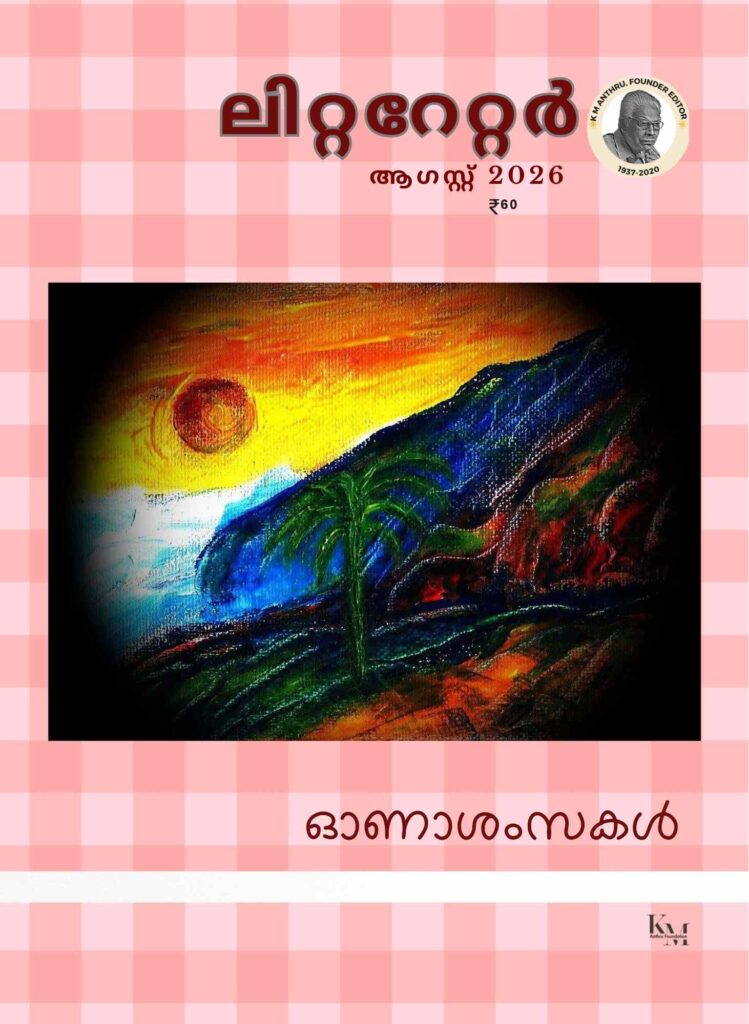
The cover painting of this issue of Litterateur, however, was created by an artist from far away from Kerala—Nina Kossman, who was born in Russia and now lives in the United States. There is no traditional Onam flower carpet or Mahabali in the painting. Yet, when we look at it, we can see a light and warmth that feels very familiar to Kerala.
Not only in Kerala, but also in the hearts of Malayalis around the world, the colours, scents and memories of Onam are slowly beginning to fill the air. The green fields after the harvest, the coconut trees reaching towards the sky, the colourful flower carpets, and the smell of the earth after the rain—all these together create the familiar image of Onam in Kerala.
Nina Kossman is a Russian-American artist, poet, translator, memoirist, playwright and painter. She has created a rich world of art and literature by bringing together different cultures, languages and art forms through her unique creativity and artistic vision.
Born in Moscow in 1959, Nina Kossman now lives in New York.
She became widely known in the literary world as a translator of the poems of the great Russian poet Marina Tsvetaeva.
Her memoir Behind the Border: Memories of a Russian Childhood, along with her poems, short stories and plays written in Russian and English, are among her notable works. Some of her plays have been staged in New York and London.
Several of Nina Kossman’s notable works have also been published in Litterateur Redefining World, the international English magazine that began publication from Kerala in August 2020.
Another important work by Nina Kossman is the poetry anthology Gods and Mortals: Modern Poems on Classical Myths, published by Oxford University Press.
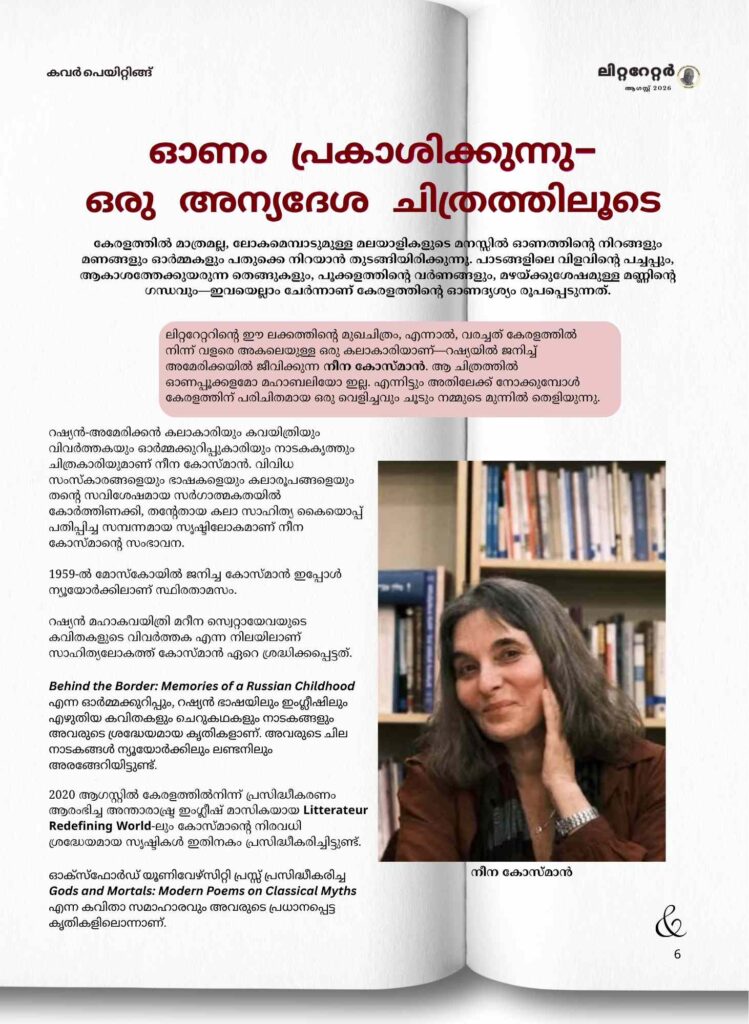
Nina Kossman: A Multifaceted Artist Who Crossed the Boundaries of Languages
She has received several awards and grants, including the NEA Fellowship and the UNESCO/PEN Short Story Award.
In Nina Kossman’s artistic world, painting is not a secondary form of expression. It is another language for her. At times, when the tension between Russian and English may have felt like an inner struggle, she may have turned to another language without words—to colours and forms. Mythology, folklore, the subconscious and dreams often find their way into her paintings. Strong emotional expression and the intense use of colour give her paintings a distinctive power and depth.
She has exhibited her paintings in New York and Philadelphia. Often, along with a painting, she presents a poem born from the same feeling or inspiration. One such work is titled ЖАР, meaning Heat.
A Vision of Heat
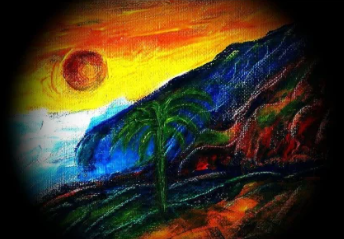
The cover painting is a small tropical landscape. Yet the experience contained within it is much larger than its physical size.
A large red-orange sun hangs low in the sky. The sky is filled with yellow and orange, as if it is burning in the heat of the sun. Amid these colours, cool shades of blue and white appear.
At the centre of the painting stands a solitary palm tree. Its dark leaves stand out clearly against the bright sky. Behind it is a dark hill or mountain slope. Deep layers of blue, red and green make the scene feel less like a realistic landscape and more like a fragment of a dream.
The land in the foreground seems to move with shades of green, yellowish brown and red. The darkness around the edges creates the feeling of looking at the scene through a tunnel of night or memory.
That is why this painting is not simply a picture of nature.
Here, colours do not merely represent nature; they express emotions. It is a painting in which beauty and uneasiness exist together.
The heat of the sun seems to spread outward. Against it, the palm tree stands as a calm vertical form. Nature is beautiful. Yet within that beauty there is a subtle sense of uneasiness.
The Russian poem accompanying Nina Kossman’s painting is titled “ЖАР”. In English, it can mean “Heat” or “Fever”—a word that suggests both physical warmth and an intense inner state.
Heat by Nina Kossman
Distance promised a secret.
In the sea, in the bay, in the palm tree,
in the tropics of half-sleep,
the secret scattered.
Distance is measured through heat…
In a small picture—through sleep.
In an imagination with many reaching fingers,
thunder fits into a single hand—
the breath-filled eyes
of an unchanging contagion
grasp the distance at once,
until the final, rough breath.
The vision narrows.
A blanket, a false alarm clock.
What I have to read
is thrust before me.
Prescriptions and drops—
absurd!
With a tropical metastasis,
fate searches me out.
Through an eye with many fingers,
let an army steal me away—
an army of all the words
you left unsaid to the world.
Dissolving into the tropics,
flowing downward as a trail of sweat,
freezing face to face
into a farewell.
(Translation from Russian)
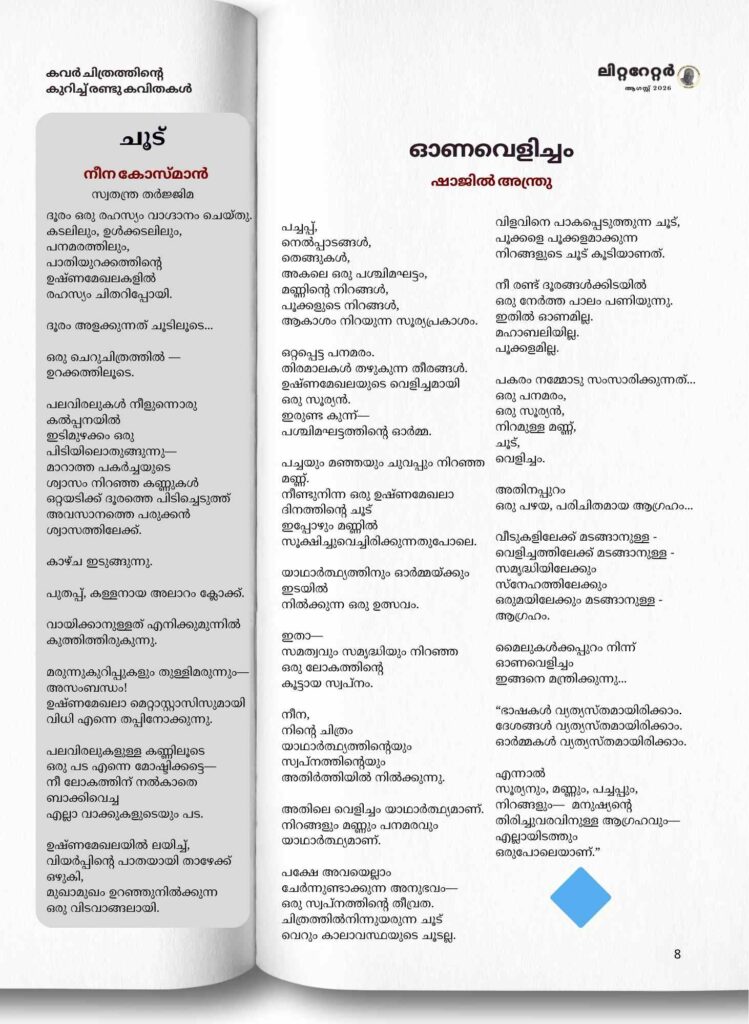
The Onam Glow by Shajil Anthru
Greenery,
paddy fields,
coconut trees,
a Western Ghats range in the distance,
the colours of the earth,
the colours of flowers,
sunlight filling the sky.
A solitary palm tree.
Shorelines touched by waves.
A sun
as the light of the tropics.
A dark hill—
a memory of the Western Ghats.
Earth filled with green, yellow and red.
As if the heat
of a long tropical day
is still preserved
within the soil.
A festival
standing between
reality and memory.
Here—
the shared dream
of a world filled
with equality and abundance.
Nina,
your painting
stands on the border
between reality and dream.
The light in it is real.
The colours, the earth,
the palm tree—
all are real.
But the experience
created by all of them together—
has the intensity of a dream.
The heat rising from the painting
is not merely the heat of the weather.
It is also the heat
that ripens the harvest,
the warmth of colours
that turns flowers
into a flower carpet.
You build
a delicate bridge
between two distant worlds.
There is no Onam here.
No Mahabali.
No flower carpet.
Instead, what speaks to us is…
a palm tree,
a sun,
coloured earth,
heat,
light.
And beyond them,
an old and familiar longing…
The longing
to return home—
to return to the light—
to return to abundance,
to love,
to togetherness.
From miles away,
the Onam light
whispers like this…
“Languages may be different.
Countries may be different.
Memories may be different.
But
the sun, the earth, the greenery,
the colours—
and the human longing
to return—
are the same everywhere.”
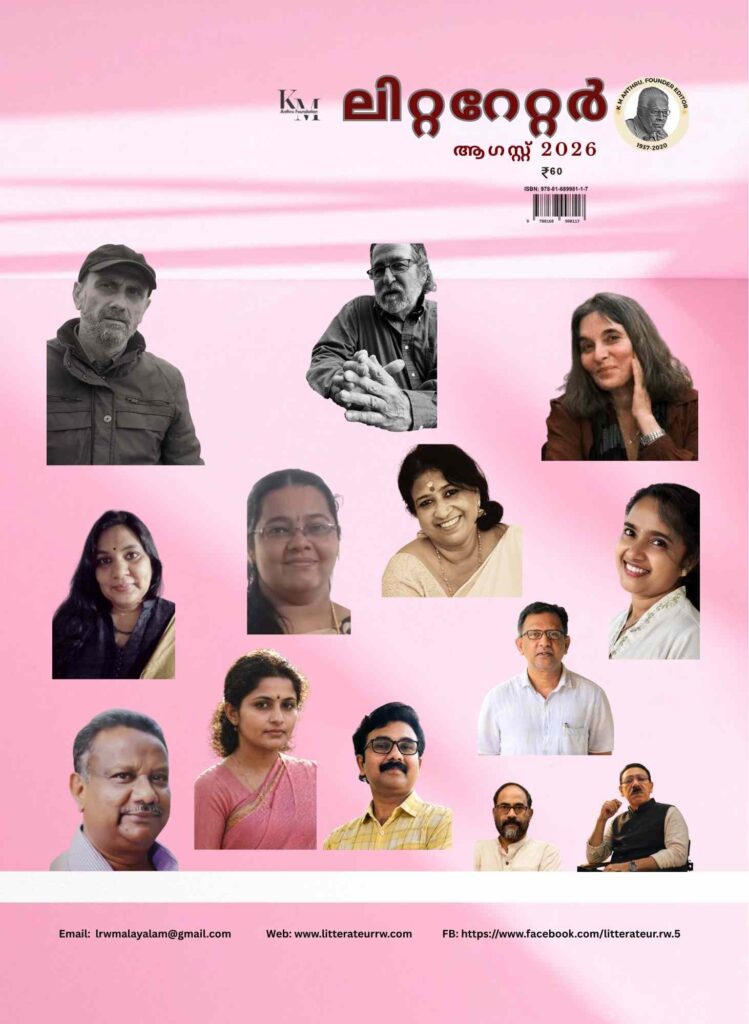
അന്താരാഷ്ട്ര സാഹിത്യമാസികയായ Litterateur Redefining World ന്റെ മലയാളം എഡിഷനായ ലിറ്ററേറ്റർ മാസികയുടെ ആഗസ്റ്റ് 2026 പതിപ്പ് പ്രസിദ്ധീകരിച്ചു. ഓണത്തെ മുൻനിർത്തി മലയാളത്തിലെ നിരവധി മാസികകളും പ്രസിദ്ധീകരണങ്ങളും പ്രത്യേക പതിപ്പുകളുമായി എത്തുന്ന പതിവിൽനിന്ന് വ്യത്യസ്തമായി, ഓണത്തെ കേവലം ആഘോഷത്തിന്റെയും ഗൃഹാതുരതയുടെയും പതിവ് ചട്ടക്കൂടിൽ അവതരിപ്പിക്കാതെ, കേരളത്തെ ദേശാന്തര കാഴ്ചപ്പാടുകളിലൂടെയും കല, സാഹിത്യം, സംസ്കാരം, പ്രകൃതി, മനുഷ്യൻ എന്നിവയുടെ വൈവിധ്യമാർന്ന അനുഭവങ്ങളിലൂടെയും വായിക്കുകയാണ് ലിറ്ററേറ്റർ ഈ പതിപ്പിലൂടെ.
ലിറ്ററേറ്ററിന്റെ ഈ ലക്കത്തിന്റെ മുഖചിത്രം വരച്ചത് റഷ്യയിൽ ജനിച്ച് അമേരിക്കയിൽ ജീവിക്കുന്ന എഴുത്തുകാരിയും കലാകാരിയുമായ നീന കോസ്മാനാണ്. ചിത്രത്തിൽ ഓണപ്പൂക്കളമോ മഹാബലിയോ പതിവ് ഉത്സവചിഹ്നങ്ങളോ ഇല്ല. എന്നിട്ടും അതിൽ കേരളത്തിന് പരിചിതമായ ഒരു വെളിച്ചവും ചൂടും അനുഭവപ്പെടുന്നു.
ചിത്രത്തോടൊപ്പമുള്ള റഷ്യൻ കവിതയ്ക്ക് “ЖАР” (Heat / Fever — ചൂട്, പനി) എന്നാണ് പേര്. ഓണവുമായി നേരിട്ട് ബന്ധമില്ലാത്ത ഈ കവിതയെയും ചിത്രത്തെയും ഓണത്തിന്റെ വെളിച്ചത്തിൽ വായിക്കുകയാണ് ഷാജിൽ അന്ത്രു “ഓണവെളിച്ചം” എന്ന പുനർവായനയിലൂടെ ചെയ്യുന്നത്. ഒരേ കലാസൃഷ്ടിയെ രണ്ട് വ്യത്യസ്ത സാംസ്കാരിക അനുഭവങ്ങളിലൂടെ വായിക്കാനുള്ള ഈ അവസരം വായനക്കാർക്ക് സവിശേഷമായ അനുഭവമാണ് നൽകുന്നത്. നീന കോസ്മാന്റെ “ചൂട്” എന്ന ദേശാന്തര അനുഭവത്തിൽനിന്ന് ഷാജിൽ അന്ത്രുവിന്റെ “ഓണവെളിച്ചം” എന്ന കേരളീയ സാംസ്കാരിക പുനർവായനയിലേക്കുള്ള ഈ യാത്രയാണ് പതിപ്പിന്റെ ശ്രദ്ധേയമായ സവിശേഷതകളിലൊന്ന്. “ഓണവെളിച്ചം” എന്ന പുനർവായന കേരളത്തിന്റെ ഓണസ്മരണയുമായി ബന്ധിപ്പിക്കുന്നു. പരിചിതമായ ഓണത്തെ അപരിചിതമായ ഒരു കലാഭാഷയിലൂടെ കാണാനുള്ള ഈ സമീപനം വായനയ്ക്ക് പുതിയൊരു ദൃശ്യ-സാംസ്കാരിക അനുഭവം നൽകുന്നു.
ഓണപ്പൂക്കളം, ഓണസദ്യ, വള്ളംകളി, മഹാബലി തുടങ്ങിയ പരിചിതമായ ഓണചിഹ്നങ്ങളെ മാത്രം ആവർത്തിക്കുന്ന പതിവ് ഓണവായനയ്ക്കപ്പുറം, മാസികയുടെ പതിവ് കോളമായ “ഗാലറി”യിൽ, കേരളത്തെ, വിദേശ കലാകാരന്മാരുടെയും എഴുത്തുകാരുടെയും കാഴ്ചപ്പാടുകളിലൂടെ അവതരിപ്പിക്കുന്നു.
1957 നവംബർ 25-ന് ഫിലഡൽഫിയയിൽ ജനിച്ച എറിക് ലാസ്റ്റിക്, സാധാരണ ജീവിതാനുഭവങ്ങളെ അസാധാരണ സാഹിത്യസൃഷ്ടികളാക്കി മാറ്റിയ എഴുത്തുകാരനാണ്. Litterateur മാസികയ്ക്ക് നൽകിയ അഭിമുഖത്തിലൂടെ, ജീവിതത്തിന്റെ ഇരുട്ടിലും സ്വന്തം വെളിച്ചം കണ്ടെത്തുന്ന എഴുത്തുകാരനെയാണ് വായനക്കാർ പരിചയപ്പെടുന്നത്.
മഹാബലിയുടെ പാതാളയാത്രയെ ഓർമ്മിപ്പിക്കുന്നതുപോലെ, വീഴ്ചകളെയും ഇരുട്ടിനെയും അതിജീവിച്ച് എഴുത്തിലൂടെ സ്വന്തം ലോകം സൃഷ്ടിച്ച ഒരാളുടെ ജീവിതവും സാഹിത്യവും ഇവിടെ പരിചയപ്പെടുത്തുന്നു. അദ്ദേഹത്തിന്റെ ഒരു കവിതയും ഗദ്യകവിതയും മലയാളത്തിലേക്ക് പരിഭാഷപ്പെടുത്തിയതിനൊപ്പം, “ഒരു വൃദ്ധനും പൂച്ചയും ഗിറ്റാറും — പിന്നെ ഇരുളിന്റെ ലോകമായ Doctor Dark” തുടങ്ങിയ രചനകളിലൂടെ ലാസ്റ്റിക്കിന്റെ വ്യത്യസ്ത സാഹിത്യലോകത്തേക്കുള്ള ഒരു ചെറുയാത്രയും ഈ പതിപ്പ് ഒരുക്കുന്നു.
ലോകപ്രശസ്ത കലാകാരൻ ജിയാക്കോമോ കട്ടോൺ കേരളത്തിന് പുറത്തുനിന്നൊരു കലാകാരന്റെ കണ്ണിലൂടെ ഓണത്തെ കാണുന്നു. അദ്ദേഹത്തിന് ഓണം പൂക്കളവും ഓണസദ്യയും വള്ളംകളിയും മാത്രമല്ല; നിറങ്ങളുടെയും രൂപങ്ങളുടെയും ഓർമ്മകളുടെയും ഒരു ലോകമാണ്.
ഒരു കലാകാരന്റെ കാഴ്ചയിൽ ഓണം ഒരു ഉത്സവം മാത്രമല്ല — നിറങ്ങളിലൂടെ പറയുന്ന കഥയും പൂക്കളിലൂടെ വിരിയുന്ന ഓർമ്മയും മനുഷ്യനും പ്രകൃതിയും സമൂഹവും തമ്മിലുള്ള ബന്ധത്തിന്റെ ചിത്രവുമാണ്. കേരളത്തെ അടുത്തറിയാത്ത ഒരാളുടെ കണ്ണിലൂടെ നമ്മുടെ പരിചിതമായ ഉത്സവത്തെ വീണ്ടും കാണാനുള്ള അവസരമാണ് ഈ രചന നൽകുന്നത്.
ലിറ്ററേറ്ററിന്റെ ആഗസ്റ്റ് പതിപ്പ് ഒരു ഓണപ്പതിപ്പിൽ മാത്രം ഒതുങ്ങുന്നില്ല. ആൻ സോനുവിന്റെ “ഡ്രാഗൺഫ്രൂട്ട്”, മഞ്ജു സാഗറിന്റെ “ഉദപാനം”, കെ. വി. അനിൽകുമാറിന്റെ “കുമാരനാശാന്റെ പുഷ്പവാടി”, സ്മിത എം. ബാലന്റെ “അതിജീവനത്തിന്റെ മുറിവുകൾ”, ശ്രീകല ചിങ്ങോലിയുടെ “ചിങ്ങം, തിരുവോണം — ശ്രാവണചിന്തകൾ”, കെ. ആർ. സീമയുടെ “നിഴലുകൾ തിന്നുന്ന വസന്തം”, ബഷീർ പേങ്ങാട്ടിരിയുടെ “വംശം, നിറം, ജനിതകം: മനുഷ്യൻ എന്ന ഏകീകൃത ജൈവകുടുംബം”, സി. ഹനീഫിന്റെ “അവസ്ഥാന്തരം” തുടങ്ങിയ വൈവിധ്യമാർന്ന രചനകളും പതിപ്പിൽ ഉൾപ്പെടുത്തിയിട്ടുണ്ട്.
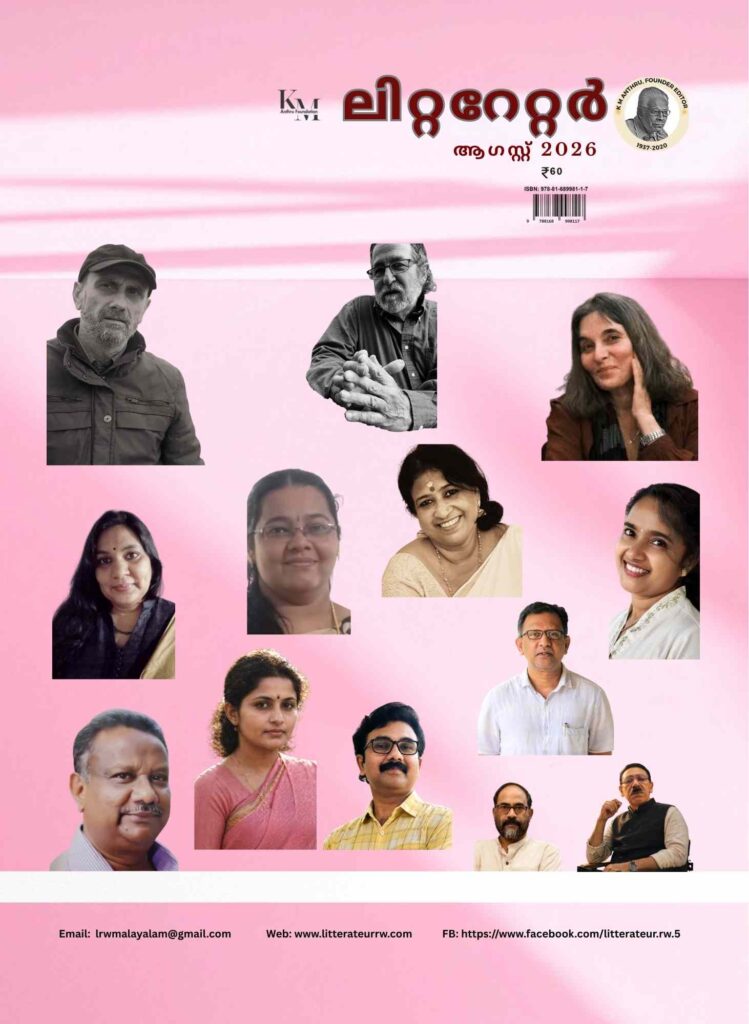
ഓണം എന്ന ഒരൊറ്റ വിഷയത്തെ ചുറ്റിപ്പറ്റിയുള്ള ഒരു പരമ്പരാഗത പ്രത്യേക പതിപ്പിനു പകരം, കേരളവും ലോകവും തമ്മിലുള്ള സാംസ്കാരിക സംഭാഷണമായി ആഗസ്റ്റ് പതിപ്പിനെ മാറ്റുകയാണ് ലിറ്ററേറ്റർ. കലയും കവിതയും തമ്മിലുള്ള സംവാദം, വിദേശ എഴുത്തുകാരുടെ കാഴ്ചപ്പാടുകൾ, കേരളത്തിന്റെ സാംസ്കാരിക ഓർമ്മ, സമകാലിക മനുഷ്യജീവിതം, പ്രകൃതി, ശാസ്ത്രം, സാഹിത്യം എന്നിവയെ ഒരേ പതിപ്പിൽ കൂട്ടിച്ചേർക്കുന്ന ഈ ബഹുസ്വരതയാണ് ലിറ്ററേറ്ററിനെ വേറിട്ടുനിർത്തുന്നത്.
ഓണത്തെ ആഘോഷിക്കുന്നതിനേക്കാൾ, ഓണത്തെ പുതിയ കണ്ണുകളിലൂടെ കാണാൻ വായനക്കാരനെ ക്ഷണിക്കുന്നതാണ് ലിറ്ററേറ്റർ ആഗസ്റ്റ് 2026. കേരളത്തെ കേരളത്തിനകത്തുനിന്ന് മാത്രം കാണാതെ, ലോകത്തിന്റെ വിവിധ ഭാഗങ്ങളിൽനിന്നുള്ള കലാകാരന്മാരുടെയും എഴുത്തുകാരുടെയും അനുഭവങ്ങളിലൂടെ തിരിച്ചറിയാനുള്ള ഒരു സാംസ്കാരിക യാത്രയായി ഈ പതിപ്പ് മാറുന്നു.
“From Sign to Sign” is the regular art column of Giacomo Cuttone, Italy, in Litterateur Redefining World. In this August 2026 edition, Cuttone presents “Exam time 3” (2018), a graphite work from a private collection, where intersecting geometric forms, fragmented planes and a central circular motif create a compelling visual tension between structure and movement.
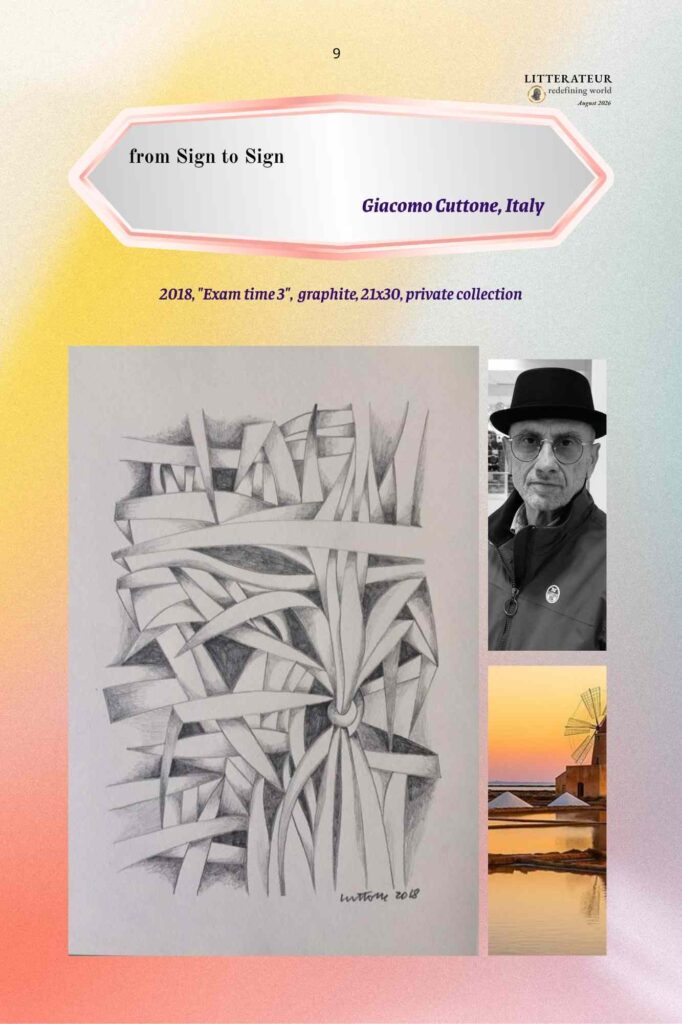
Through his distinctive artistic language, Cuttone invites the viewer to look beyond the visible image and discover the signs, rhythms and meanings hidden within lines, forms and spaces. His work demonstrates how a simple graphite drawing can become an exploration of perception, emotion and the complexity of the human experience.
A short review of Mini Shajil’s painting – Cover page, Litterateur Redefining World August, 2026
Emerald Eruptions by Mini Shajil, an Indian painter, poet, and fiction writer from Kerala, is featured on the cover of the August 2026 issue of Litterateur Redefining World. She is known for creating abstract and dream-like paintings inspired by nature, space, emotions, and the inner world.
Mini Shajil’s “Emerald Eruptions” conveys the idea of a vital energy surging from within and expanding powerfully. Emerald hues evoke regeneration, balance, and a deep connection to nature, while vertical forms suggest columns of energy or young shoots reaching upwards. The work embodies a dynamic balance between order and spontaneity: the base appears solid and structured, yet from it springs an explosion of movement, light, and growth.
To my mind, the piece serves as a metaphor for transformation: that which is rooted, silent, and seemingly motionless can suddenly give rise to new life, creativity, and awareness. Change is not interpreted as a rupture, but rather as a natural blossoming that draws strength from stable, deep-seated foundations.
Editorial – Litterateur Redefining World Magazine, August 2026
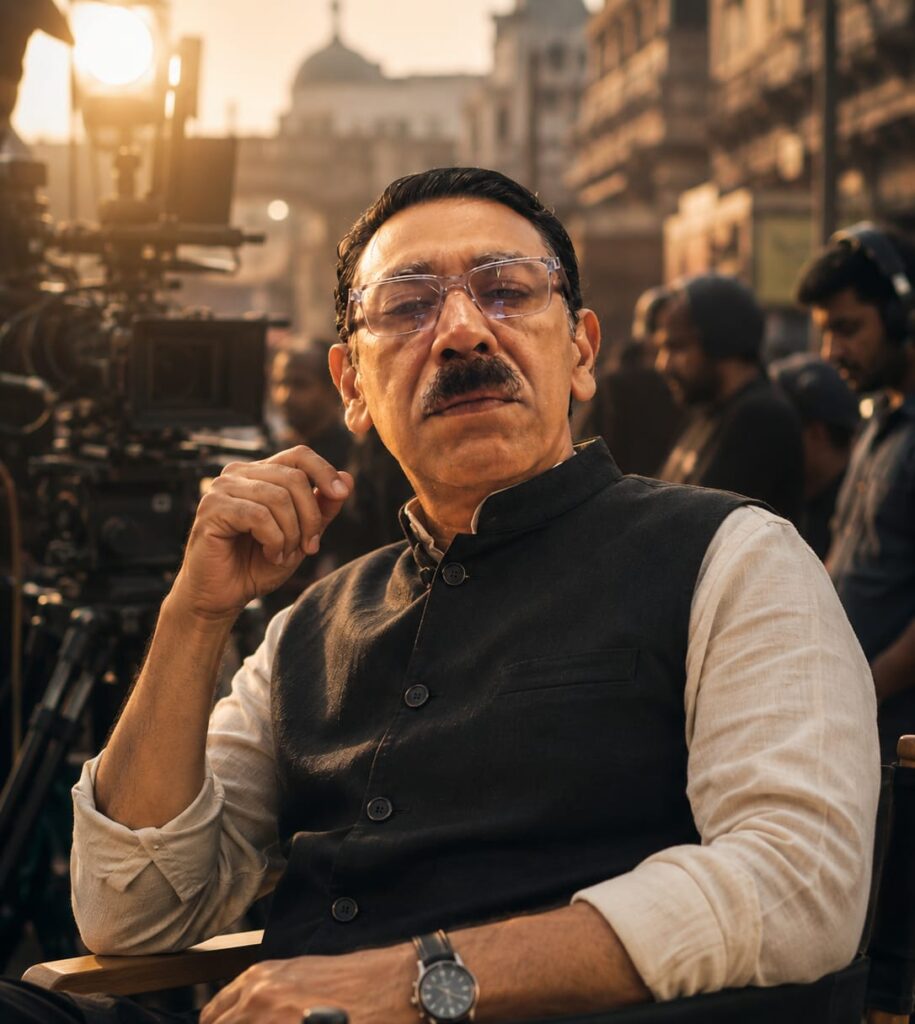
It was in 1983, I started reading Jorge Luis Borges (24 August 1899–14 June 1986) He was Argentine short-story writer, essayist, poet and translator regarded as a key figure in Spanish-language and international literature. I am not here to review his books, and discuss about his works. But to share a few thoughts on his philosophical relevance and a real litterateur transforms or exhibits himself as a prophet, and his/her work turn to be prophecy. Critics say that Borges had a major influence on the magical realist movement in 20th century Latin American literature.
Jorge Luis Borges’ literary world was never confined to the boundaries of reality. Infinite labyrinths, infinite mirrors, libraries that contain all possibilities are present in his stories.
His literary universe is not a copy of reality. It is an experience of infinity.
In his stories, libraries are infinite.
Mirrors reflect endlessly.
Time becomes a labyrinth.
Man is imprisoned in that infinity.
His true vision was –
“When knowledge becomes infinite, wisdom becomes rare”
“When reflections multiply, reality fades”
“When all possibilities exist, meaning is lost.”
To quote an example, take the case of his most famous work, The Library of Babel (1941, in Ficciones).[original Spanish title: La Biblioteca de Babel]
In this short story, Borges imagines a universe with an infinite series of hexagonal rooms. In each room, you can see shelves and, in each shelf, books. Moreover, each book, holds every possible combination of letters. Most of them meaningless- jumbles of letters. But the truth is hidden somewhere.
You can see a wandering man inside the library.
Everything is there. But nothing is certain.
What Borges is saying here is the secret of the universe.
Infinite knowledge comes with infinite meaninglessness.
Today, his writings tell us a shocking truth – we are living in the labyrinth of infinity. Today’s large language models are the digital incarnation of the Library of Babel. They generate infinite sentences. Some are rational. Some others are logical and beautiful – others are illusory and meaningless. AI’s hallucinations are reminiscent of Borges’ meaningless books.
Borges’ mirrors reflect reality infinitely. Each reflection is a different reality. AI’s generative models -text, image, video – are the work of the same mirror. Deep fakes, synthetic media, and AI-generated art blur the line between real and artificial.
The question Borges asked is even more pressing today:
What is reality? Do we see real, or we encounter the reflection of a reflection?
Where is the truth? Who chooses it?
This is exactly what Borges foresaw. Borges warned through his fiction “Library of Babel”
This vision of infinity can also diminish humanity.
While AI’s knowledge is infinite, it has no experience, no memory, and no sense of death. Therefore, it carries the potential to become meaningless.
Through another work “The Book of Sand (1975)” this vision becomes more evident and is even more dangerous.
A book – It has no beginning or end.
When you open a page, another page appears.
Once you have seen a page, you can never find it again. Between the pages, there are endless other pages. Borges called this book “infinite sand.”
Man opens it. Wanders. Finally, he abandons it. Because infinity crushes human attention. The infinite pages of the Book of Sand are our scrolling/browsing today.
“Pierre Menard, Author of the Quixote” (Pierre Menard, autor del Quijote) is another of Jorge Luis Borges’ most famous short stories. It was first published in 1939, two years before “The Library of Babel” (1941). The idea of the author is crumpled. A man rewrites Quixote – letter by letter. And it becomes a new work.
Here Borges asks-
What is writing? Who is the author? Does a text become new when it is repeated?The problem of “Pierre Menard, Author of the Quixote” is today the question of ownership of AI-generated text. (Also, literary piracy)
See, Borges’ vision is clear here – imagination can conquer reality. Reflection can hide the real. Infinity, the labyrinth, the mirror, meaninglessness, the death of the author – we face now – he wrote about all of this in the 20th century. We should admit. He went further.
“Man can create infinity. But man cannot live in infinity.
When knowledge becomes infinite, attention becomes limited.
When answers become easy, questions die.
When images multiply, reality fades.”
With the advent of AI, the fundamental questions that Borges raised (must) haunt us again.
Who is the author?
Who owns the poetry that a model creates?
Can machines create meaning, or are they just images?
Are we trapped in this digital labyrinth of our own creation?
Borges’ visions take on a new relevance.
Is the Age of AI a Realization of Borges’s Imagination?
Or Did Borges’ Infinity is a Vision That foresaw AI.
Born in Buenos Aires on August 24, 1899, Jorge Luis Borges had never seen a computer. He had never seen the Internet. The idea of generative artificial intelligence was not even in his world. His imagination is a warning for the Digital Age.
Borges urges us to move forward without fearing infinity, without getting lost in its labyrinths, while maintaining human morality and imagination. AI should not be a tool, but a new Babel library. Its key must be in the hands of man.
On the 127th anniversary of Borges’s birth, we should remember not his stories but the world he foresaw.
Borges’ vision lives on today. AI is just its latest reflection.
Shajil Anthru,
Chief Editor
Litterateur Redefining World
(Editorial Litterateur August 2026)
LITTERATEUR REDEFINING WORLD MAGAZINE, AUGUST 2026
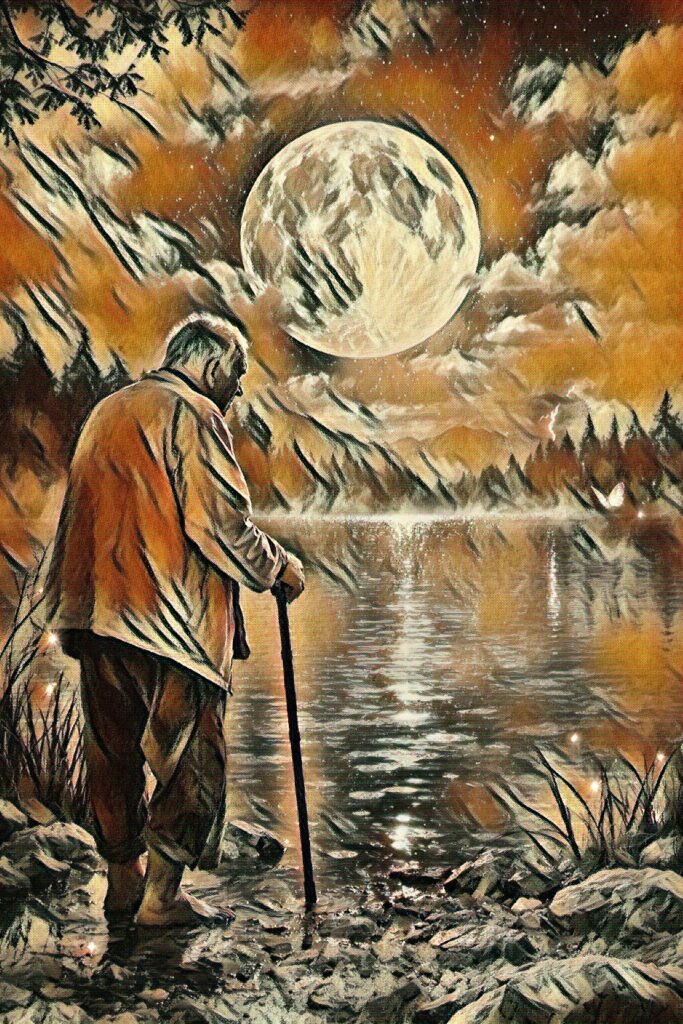
Tonight, I am the moon’s envoy,
bare feet awash in silver.
Longing settles in me—
spark or ember, I remain.
Thunder soft as cat paws,
storms now gentle memory.
I flutter, no longer afraid,
teaching darkness to move gently.
Tonight, I find comfort
in the moon’s borrowed light,
trusting dawn will come.
തിരുവനന്തപുരം | Litterateur Online News Desk
തിരുവനന്തപുരം | Litterateur Online News Desk : കേരളത്തിലെ യുവജന തൊഴിലില്ലായ്മയ്ക്ക് ശാസ്ത്രീയവും പ്രായോഗികവുമായ പരിഹാരം കണ്ടെത്താനുള്ള ശ്രമങ്ങൾക്ക് പുതിയ കരുത്ത് പകർന്നുകൊണ്ട്, കെ.എം. അന്ത്രു ഫൗണ്ടേഷന്റെ “മിഷൻ – തൊഴിൽരഹിതർ ഇല്ലാത്ത കേരളം” പദ്ധതിയുടെ ഭാഗമായി തിരുവനന്തപുരം മണക്കാട്–കല്ലാട്ടുമുക്കിലെ Computron Training Solutions കേന്ദ്രത്തിൽ സംഘടിപ്പിച്ച സംസ്ഥാനതല സൗജന്യ പ്ലേസ്മെന്റ് ഡ്രൈവ് ശ്രദ്ധേയ വിജയമായി. ജൂലൈ 21 മുതൽ 25 വരെ നടന്ന പ്ലേസ്മെന്റ് ഡ്രൈവിൽ പങ്കെടുത്ത ഉദ്യോഗാർത്ഥികളിൽ 88 ശതമാനം പേർക്കും വിവിധ ദേശീയ-ബഹുരാഷ്ട്ര സ്ഥാപനങ്ങളിൽ തൊഴിൽ ഓഫർ ലഭിച്ചതായി സംഘാടകർ അറിയിച്ചു.
ഈ വിജയത്തിന്റെ പ്രത്യേകത, ഇത് ഒരു സാധാരണ തൊഴിൽമേളയല്ല എന്നതാണ്. തൊഴിലില്ലായ്മയെ വെറും തൊഴിൽ ലഭ്യതയുടെ പ്രശ്നമായി കാണാതെ, വിദ്യാഭ്യാസം, വ്യവസായം, റിക്രൂട്ട്മെന്റ്, സാമൂഹിക ഉത്തരവാദിത്തം എന്നീ നാല് മേഖലകളുടെ ഏകോപനത്തിലൂടെ പരിഹരിക്കാനുള്ള ഒരു സാമൂഹിക പരീക്ഷണമായാണ് ഈ സംരംഭം രൂപകൽപ്പന ചെയ്തതെന്ന് കെ.എം. അന്ത്രു ഫൗണ്ടേഷൻ ചെയർമാൻ ഷാജിൽ അന്ത്രു പറഞ്ഞു.
റൂട്ട് കോസ് അനാലിസിസിൽ നിന്ന് ഫോർ പില്ലർ മോഡലിലേക്ക്
സാങ്കേതിക വിദ്യാഭ്യാസ രംഗത്ത് മൂന്ന് പതിറ്റാണ്ടിലേറെ അനുഭവമുള്ള മുൻ സർക്കാർ പോളിടെക്നിക് പ്രിൻസിപ്പലായ ഷാജിൽ അന്ത്രുവിന്റെ അഭിപ്രായത്തിൽ, തൊഴിലില്ലായ്മയെക്കുറിച്ചുള്ള പൊതുവായ ധാരണകൾ പുനഃപരിശോധിക്കേണ്ട സമയമാണിത്.
“ഒരു അപകടം നടന്നാൽ ഡ്രൈവറെ മാത്രം കുറ്റപ്പെടുത്തുന്നില്ല. വാഹനം, റോഡ്, പരിപാലനം, സുരക്ഷാ സംവിധാനങ്ങൾ, പരിശീലനം, നയപരമായ പോരായ്മകൾ തുടങ്ങി എല്ലാ ഘടകങ്ങളും പരിശോധിക്കുന്ന റൂട്ട് കോസ് അനാലിസിസ് (Root Cause Analysis) നടത്തുന്നു. അതുപോലെ, ഒരു യുവാവിന് തൊഴിൽ ലഭിക്കാതിരുന്നാൽ അതിന്റെ കാരണം വിദ്യാർത്ഥിയുടെ കഴിവ് മാത്രമല്ല. വ്യവസായത്തിന്റെ ആവശ്യകത, വിദ്യാഭ്യാസ സമ്പ്രദായം, നൈപുണ്യ വിടവ്, റിക്രൂട്ട്മെന്റ് സംവിധാനം എന്നിവയെല്ലാം ഒരുമിച്ച് വിലയിരുത്തണം,” അദ്ദേഹം പറഞ്ഞു.
ഈ ചിന്തയിൽ നിന്നാണ് ഫോർ പില്ലർ എംപ്ലോയബിലിറ്റി മോഡൽ രൂപം കൊണ്ടത്.
നാല് പങ്കാളികൾ, ഒരു സാമൂഹിക ദൗത്യം
ഈ മാതൃകയിൽ നാല് പ്രധാന പങ്കാളികളാണ് പ്രവർത്തിക്കുന്നത്.
- കെ.എം. അന്ത്രു ഫൗണ്ടേഷൻ – സാമൂഹിക ദൗത്യത്തിന്റെയും നയപരമായ ഏകോപനത്തിന്റെയും നേതൃത്വം.
- Computron Training Solutions – നൈപുണ്യ വികസനം, സ്കിൽ ഗ്യാപ് അനാലിസിസ്, വ്യവസായാധിഷ്ഠിത പരിശീലനം.
- Career Life Solutions – കരിയർ മാനേജ്മെന്റും റിക്രൂട്ട്മെന്റും.
- ദേശീയ-അന്തർദേശീയ വ്യവസായ സ്ഥാപനങ്ങൾ – തൊഴിൽ ആവശ്യകതകളും നിയമന അവസരങ്ങളും.
ഈ നാല് ഘടകങ്ങളെയും ഒരേ വേദിയിൽ ബന്ധിപ്പിച്ചാണ് പ്ലേസ്മെന്റ് ഡ്രൈവ് സംഘടിപ്പിച്ചത്.
പഠനത്തിന് ശേഷമല്ല, വ്യവസായ ആവശ്യത്തിന് മുമ്പേ പരിശീലനം
സാധാരണയായി വിദ്യാർത്ഥികൾ പഠനം പൂർത്തിയാക്കിയ ശേഷമാണ് ജോലി അന്വേഷിക്കുന്നത്. എന്നാൽ ഫോർ പില്ലർ മോഡൽ പിന്തുടരുന്നത് വ്യത്യസ്തമായ സമീപനമാണ്. വ്യവസായ സ്ഥാപനങ്ങളുടെ ഭാവി തൊഴിൽ ആവശ്യങ്ങൾ മുൻകൂട്ടി ശേഖരിച്ച്, അതിന് അനുയോജ്യമായ ഉദ്യോഗാർത്ഥികളെ കണ്ടെത്തി Skill Gap Analysis നടത്തി ആവശ്യമായ പരിശീലനം നൽകുകയാണ് ഈ മാതൃകയുടെ അടിസ്ഥാനം.
ഈ രീതിയിലൂടെ കമ്പനികൾക്ക് നിയമനശേഷം വീണ്ടും അടിസ്ഥാനപരമായ പരിശീലനം നൽകേണ്ട സാഹചര്യം കുറയുകയും, യുവാക്കൾക്ക് വേഗത്തിൽ തൊഴിൽ ലഭിക്കാനുള്ള സാധ്യത വർധിക്കുകയും ചെയ്യുമെന്ന് വിലയിരുത്തപ്പെടുന്നു.
AI: തൊഴിൽ നഷ്ടത്തിന്റെ കാരണം മാത്രമല്ല
കൃത്രിമ ബുദ്ധി (AI) തൊഴിൽ നഷ്ടത്തിന്റെ കാരണമാകുമെന്ന ആശങ്ക വ്യാപകമാകുന്ന സാഹചര്യത്തിൽ, അതേ സാങ്കേതികവിദ്യയെ പുതിയ തൊഴിൽ സൃഷ്ടിക്കാനുള്ള ഉപാധിയായി കാണണമെന്ന് ഷാജിൽ അന്ത്രു അഭിപ്രായപ്പെട്ടു.
“ഓരോ സാങ്കേതിക വിപ്ലവവും ചില തൊഴിലുകൾ ഇല്ലാതാക്കുകയും പുതിയ തൊഴിലുകൾ സൃഷ്ടിക്കുകയും ചെയ്തിട്ടുണ്ട്. AI-യും അതിൽ നിന്ന് വ്യത്യസ്തമല്ല. ഇന്നത്തെ ‘ഡീമൺ’ നാളെയുടെ ‘ബൂൺ’ ആകാം. AIയെ ജോലി നഷ്ടപ്പെടുത്തുന്ന സാങ്കേതികവിദ്യയായി മാത്രം കാണാതെ, പുതിയ തൊഴിൽ മേഖലകൾ കണ്ടെത്താനും പുതിയ നൈപുണ്യങ്ങൾ വികസിപ്പിക്കാനുമുള്ള ഉപകരണമായി ഉപയോഗിക്കണം.”
ദുരന്തങ്ങളെ തൊഴിൽസാധ്യതകളാക്കി മാറ്റുന്ന സമീപനം
ആക്കുളം വാതകചോർച്ച ഉൾപ്പെടെയുള്ള സംഭവങ്ങളെക്കുറിച്ചുള്ള പഠനത്തിൽ, ദുരന്തങ്ങളെ സുരക്ഷാ വീഴ്ചകളായി മാത്രം കാണാതെ, അവ സൃഷ്ടിക്കുന്ന പുതിയ തൊഴിൽ സാധ്യതകളും വിലയിരുത്തണമെന്ന് ഷാജിൽ അന്ത്രു അഭിപ്രായപ്പെട്ടു. ഗ്യാസ് സുരക്ഷ, ഇൻഡസ്ട്രിയൽ ഇൻസ്പെക്ഷൻ, ലീക്ക് ഡിറ്റക്ഷൻ, സ്മാർട്ട് സെൻസർ സാങ്കേതികവിദ്യ, ദുരന്തനിവാരണ പരിശീലനം, AI അധിഷ്ഠിത നിരീക്ഷണം തുടങ്ങിയ മേഖലകളിൽ കേരളത്തിന് പുതിയ തൊഴിൽ മേഖലകൾ വികസിപ്പിക്കാനാകുമെന്ന് അദ്ദേഹം ചൂണ്ടിക്കാട്ടി.
സ്ഥാപനങ്ങളുടെ തിരഞ്ഞെടുപ്പും പഠനത്തിന്റെ ഭാഗം
ഫോർ പില്ലർ മോഡൽ നടപ്പാക്കുന്നതിന് മുമ്പ് വിവിധ പരിശീലന സ്ഥാപനങ്ങളുടെ നൈപുണ്യ വികസന ശേഷി, വ്യവസായ ബന്ധം, പരിശീലന നിലവാരം, മാനേജ്മെന്റിന്റെ സാമൂഹിക പ്രതിബദ്ധത എന്നിവ വിശദമായി പഠിച്ച ശേഷമാണ് Computron Training Solutions-നെ പരിശീലന പങ്കാളിയായി തിരഞ്ഞെടുത്തത്. അതുപോലെ, റിക്രൂട്ട്മെന്റ് മേഖലയിലെ മുൻകാല അനുഭവങ്ങളും പ്രവർത്തനപരമായ മികവും വിലയിരുത്തിയാണ് Career Life Solutions-നെ കരിയർ-റിക്രൂട്ട്മെന്റ് പങ്കാളിയായി തെരഞ്ഞെടുത്തതെന്നും അദ്ദേഹം വ്യക്തമാക്കി.
Industry on Campus മുതൽ ‘തൊഴിൽരഹിതർ ഇല്ലാത്ത കേരളം’ വരെ
സർക്കാർ പോളിടെക്നിക് കോളേജുകളുടെ പ്രിൻസിപ്പലായിരിക്കെ കേരളത്തിലെ ആദ്യ Industry on Campus മാതൃകയും Earn While Learn പദ്ധതിയും നടപ്പിലാക്കിയ അനുഭവങ്ങളുടെ തുടർച്ചയാണ് ഇപ്പോഴത്തെ സംരംഭമെന്ന് ഷാജിൽ അന്ത്രു പറഞ്ഞു. വ്യവസായത്തിന്റെ ആവശ്യകതകൾ മുൻകൂട്ടി മനസ്സിലാക്കി വിദ്യാഭ്യാസ സ്ഥാപനങ്ങൾ പ്രവർത്തിച്ചാൽ തൊഴിലില്ലായ്മ ഗണ്യമായി കുറയ്ക്കാൻ കഴിയുമെന്ന് അദ്ദേഹം അഭിപ്രായപ്പെട്ടു.
സംസ്ഥാനത്തിന്റെ വിവിധ ജില്ലകളിലേക്ക് ഫോർ പില്ലർ എംപ്ലോയബിലിറ്റി മോഡൽ വ്യാപിപ്പിച്ച് “തൊഴിൽരഹിതർ ഇല്ലാത്ത കേരളം” എന്ന ദീർഘകാല സാമൂഹിക ദൗത്യം യാഥാർഥ്യമാക്കുന്നതിനുള്ള പ്രവർത്തനങ്ങൾ കെ.എം. അന്ത്രു ഫൗണ്ടേഷൻ തുടരുമെന്നും അദ്ദേഹം അറിയിച്ചു.
ഈ പ്ലേസ്മെന്റ് ഡ്രൈവിന്റെ വിജയം 88 ശതമാനം നിയമനത്തിൽ മാത്രം ഒതുങ്ങുന്നതല്ല. കേരളത്തിലെ തൊഴിലില്ലായ്മയെക്കുറിച്ചുള്ള ചർച്ചയെ, “ജോലി അന്വേഷിക്കുന്ന യുവാക്കളിൽ” നിന്ന് “ഭാവിയിലെ തൊഴിൽ ആവശ്യങ്ങൾ മുൻകൂട്ടി കണ്ടെത്തി യുവാക്കളെ സജ്ജരാക്കുന്ന സംവിധാനത്തിലേക്ക്” മാറ്റാനുള്ള ശ്രമമെന്ന നിലയിലാണ് ഈ സംരംഭം ശ്രദ്ധേയമാകുന്നത്. വിദ്യാഭ്യാസം, വ്യവസായം, സാങ്കേതികവിദ്യ, സാമൂഹിക പ്രതിബദ്ധത എന്നിവയെ ഒരുമിപ്പിക്കുന്ന ഇത്തരം മാതൃകകൾ കേരളത്തിന്റെ ഭാവി തൊഴിൽ നയങ്ങളിൽ പുതിയ ചർച്ചകൾക്ക് വഴിതുറക്കുമെന്ന പ്രതീക്ഷയും ഉയരുന്നു.
In this special episode of the Litterateur Redefining World Podcast, we present “Er Giap,” a powerful collective poem created anonymously by the Italian literary collective Noi Rebeldía, with contributions from Marco Palladini, Muzzioli, and another collaborator. The English translation and the narration are by Marco Palladini, acclaimed Italian poet, playwright, translator, and literary critic. We invite you to experience this compelling work through Palladini’s own voice, bringing its spirit and message to an international audience.