

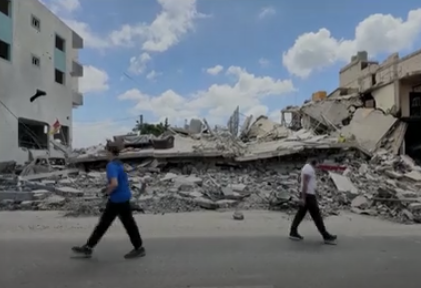
The United States and Iran have officially signed a 14-point memorandum of understanding to end military hostilities, marking a significant de-escalation in one of the most volatile conflicts in recent years. The agreement, set to be formally inked on Friday, mandates an immediate and permanent ceasefire on all fronts, including Lebanon, the lifting of the U.S. naval blockade on Iran, and the full resumption of maritime traffic through the critical Strait of Hormuz.Under the terms of the deal, obtained by major outlets, Iran will receive sanctions relief on its oil sector, access to frozen assets abroad, and support for a $300 billion reconstruction and development fund. The sensitive issue of Iran’s nuclear program has been deferred to future negotiations, with Tehran reiterating its longstanding position against developing nuclear weapons.“The United States is more eager for this war to end than Iran is,” noted Professor Vali Nasr of the Johns Hopkins School of Advanced International Studies. “In Iran, they’re very triumphant.” Analysts point to broader shifts: growing U.S. frustration with certain allies, the emergence of a new generation of leaders in Tehran, and Iran’s strengthened position in an evolving multipolar world order.
Common People Across Borders Want Peace
From the streets of Tel Aviv to Beirut, Tehran to Gaza, and beyond, ordinary citizens—Israelis, Palestinians, Iranians, Lebanese, and Americans alike—overwhelmingly desire an end to the bloodshed. Families torn apart by conflict, economies shattered, and futures uncertain have voiced a universal plea: no more war. Regardless of nationality or faith, the vast majority of people yearn for stability, safety, and the chance to rebuild their lives without the shadow of violence.
“This deal is a victory for humanity’s collective longing for peace. It reminds us that true power lies not with warmongers in high places, but with the common people who have always paid the heaviest price for conflict,” said Shajil Anthru, Writer, Editor and Founder of Zeroism.
Yet, as this agreement takes shape, questions remain about whether all parties will honor the ceasefire. Israel has vowed to disregard the U.S.-Iran understanding and continue its military presence in southern Lebanon. Several Israeli leaders and commentators have expressed strong opposition, describing the deal as overly conciliatory toward Iran.President Trump has publicly criticized Israel’s continued actions in Lebanon. Israeli political analyst Ori Goldberg, speaking from Tel Aviv, offered a pointed assessment: “Trump’s had enough. He hasn’t had enough because he cares about the Palestinians or about Lebanon. He’s had enough of Netanyahu’s disrespect. He’s had enough of the notion that it’s actually Netanyahu who’s calling the shots.”
The Real Warmongers
While common people everywhere reject endless conflict, powerful business and political interests often prolong it. Arms manufacturers, energy conglomerates, and influential lobbies on all sides have reaped enormous profits from prolonged instability. These “war merchants” in positions of power—far removed from the suffering on the ground—continue to push narratives that prioritize strategic dominance and financial gain over human lives and regional peace.Whether Netanyahu’s government will align with the U.S.-Iran agreement or risk further isolation remains the critical unanswered question. As the ink dries on this memorandum, the world watches to see if diplomacy can finally prevail over defiance, delivering the peace that ordinary people have demanded all along. The coming weeks will test whether this breakthrough leads to lasting stability or merely another chapter in a long cycle of confrontation.